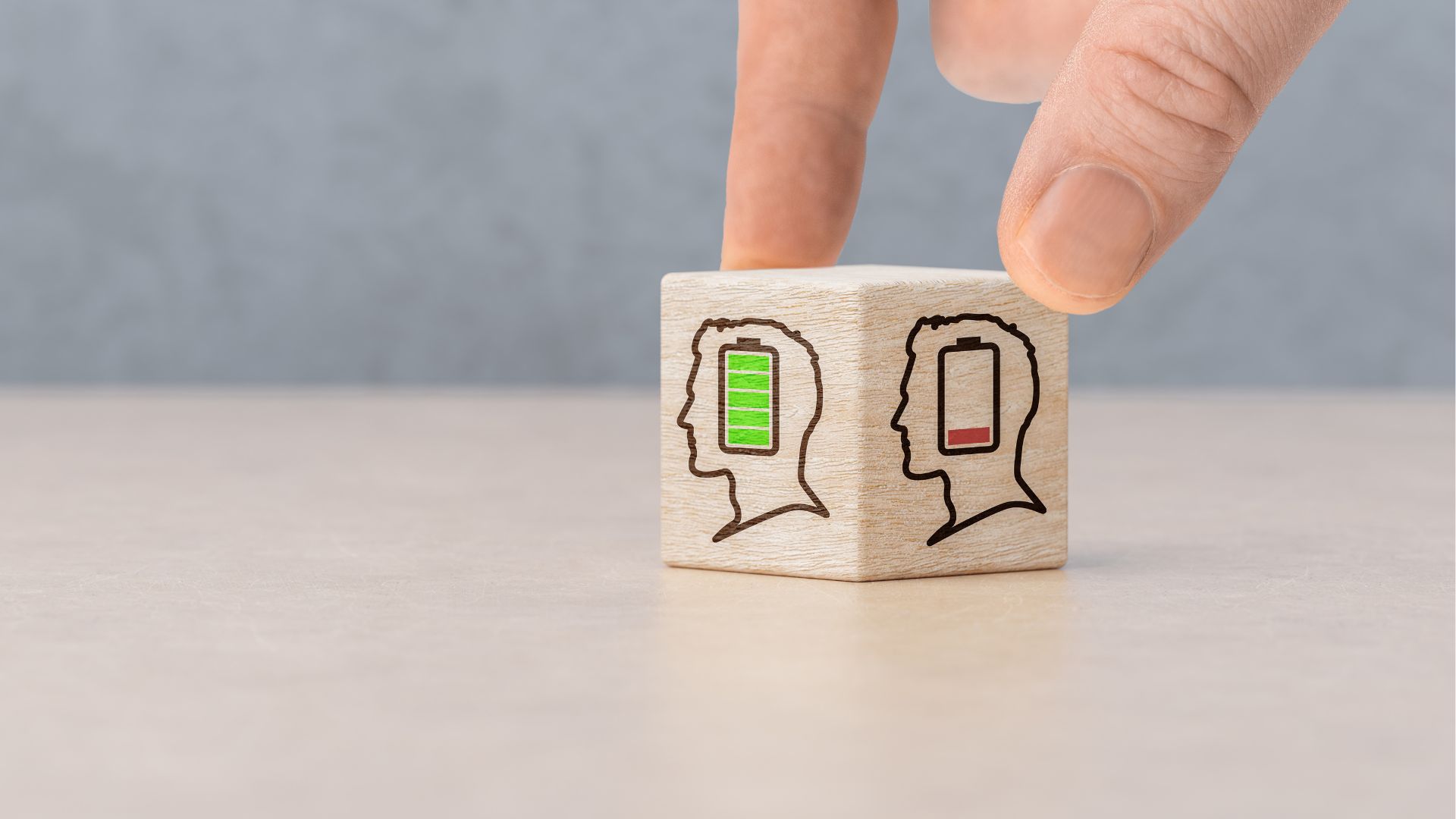
The signs of burnout can be difficult to recognize when ongoing pressure has started to feel normal. You may still meet deadlines, support colleagues, and appear capable while feeling increasingly exhausted, detached, or unlike yourself.
A demanding week often improves once the pressure passes and you have time to recover. Burnout tends to persist. Ordinary rest may no longer feel sufficient, work you once cared about can begin to feel pointless, and tasks that used to be manageable may require far more effort.
The clearest signs of burnout are persistent exhaustion, growing cynicism or distance from your work, and feeling less effective at what you do. You may also experience irritability, difficulty concentrating, sleep problems, physical complaints, or a loss of interest in life outside work.
No single symptom confirms burnout. When several signs appear together and continue over time, however, something may need to change.
Here are 10 signs of burnout worth taking seriously.
What Is Burnout?
The World Health Organization defines burnout as a syndrome resulting from chronic workplace stress that has not been successfully managed.
The World Health Organization identifies three dimensions of burnout:
- Energy depletion or exhaustion
- Growing mental distance, negativity, or cynicism toward your job
- Reduced professional efficacy
Burnout is classified as an occupational phenomenon rather than a medical condition.
Being tired does not necessarily mean you are burned out. You can feel exhausted after an intense week while remaining engaged, motivated, and proud of what you are accomplishing. Once the pressure subsides and you get some rest, you begin to feel like yourself again.
Burnout tends to run deeper. You may begin losing your connection to your work, your confidence in your abilities, and the energy you once had for life outside your job.
10 Signs of Burnout You Shouldn’t Ignore
No single symptom proves that you are experiencing burnout. When several of the following signs persist together, they deserve attention.
1. You’re Exhausted All the Time
Burnout exhaustion can feel different from ordinary end-of-the-week tiredness.
You may wake up tired, drag yourself through the working day, and finish with very little energy left for anything else. Even after eight hours of sleep, you can still feel depleted.
Consider whether rest restores you or whether you remain exhausted when you return to work.
A relaxing weekend or a few good nights of sleep may provide noticeable relief from temporary stress. If you continually feel depleted despite resting, something deeper may be happening.
2. You’ve Started Dreading Work
Sunday night can feel different when you are burned out.
Instead of mild reluctance about the weekend ending, you may experience genuine dread about returning to work. Monday mornings become difficult. You hit snooze repeatedly. Opening your laptop feels strangely heavy. Even straightforward tasks require an enormous amount of effort to begin.
The Mayo Clinic includes difficulty getting started at work among the questions worth considering when assessing possible job burnout.
Pay attention when “I don’t particularly feel like working today” becomes “I don’t know how I’m going to keep doing this.”
3. You’ve Become Cynical About a Job You Used to Care About
Growing cynicism can be one of the most revealing signs of burnout.
Perhaps you once cared deeply about the quality of your work. Now you feel indifferent. You may become increasingly negative about your company, manager, colleagues, clients, or profession.
Initiatives you once would have embraced make you roll your eyes. Problems that previously energized you now annoy you.
This does not necessarily mean you have become a negative person. Cynicism can function as emotional distancing. When you have given too much for too long, disengaging can become a way to protect what little energy you have left.
Increased negativity or mental distance from your job is one of the World Health Organization’s three defining dimensions of burnout.
4. Your Patience Has Disappeared
Things that once rolled off your back can suddenly feel unbearable.
A colleague asks a reasonable question and you feel irritated. Your manager schedules another meeting and you want to scream. A client changes their mind and your internal reaction feels wildly disproportionate to the request.
The Mayo Clinic includes impatience with coworkers, customers, or clients among the possible signs of job burnout.
Burnout can leave you with very little emotional reserve. When your resources are almost depleted, even small demands can feel enormous.
The irritability may also follow you home. You might become short-tempered with your partner, children, friends, or family because you have so little energy left to give.
5. You Can’t Focus Like You Used To
You may read the same email three times without absorbing it. You might enter a meeting and realize you have not followed anything anyone has said.
Tasks that once took 30 minutes can begin taking two hours. You forget appointments, struggle to make decisions, procrastinate, or make mistakes that are unusual for you.
Difficulty concentrating can accompany burnout, especially when you are also dealing with chronic stress and exhaustion.
This can create a difficult cycle. Exhaustion makes it harder to concentrate, work takes longer, you fall behind, and the extra hours leave you even more exhausted.
If your productivity has fallen sharply, avoid immediately concluding that you have become lazy or undisciplined. Look closely at what has changed.
6. You No Longer Feel Effective at Your Job
Burnout can change how you see yourself.
You may begin feeling that nothing you accomplish is good enough. Your to-do list never gets shorter. Every completed project seems to be replaced immediately by several more.
Eventually, you may start wondering what the point is.
The World Health Organization describes reduced professional efficacy as one of the three central dimensions of burnout. This can be particularly disorienting for high-performing professionals whose identities have long been connected to being capable, reliable, ambitious, or successful.
You are still the same person. You are trying to perform while your resources are depleted.
7. Your Sleep Is Getting Worse
One of the frustrating contradictions of burnout is that you can be completely exhausted and still struggle to sleep.
You may lie awake thinking about tomorrow’s workload, wake during the night thinking about work, or open your eyes early in the morning with your mind already racing.
When work thoughts keep you awake, our guide to breathing exercises for sleep offers five gentle techniques you can try in bed.
You might also sleep for long periods but still wake feeling unrested.
Sleep changes are among the symptoms associated with job burnout. Poor sleep can then make concentration, emotional regulation, energy, motivation, and stress management even more difficult.
8. Your Body Is Starting to Complain
Chronic workplace stress can affect more than your thoughts and emotions.
You may begin noticing:
- Headaches
- Muscle tension
- Stomach or digestive problems
- Changes in appetite
- Trouble sleeping
- Persistent fatigue
- Other unexplained physical complaints
The Mayo Clinic includes headaches, stomach or bowel problems, sleep changes, and low energy among the possible signs associated with job burnout.
Physical symptoms can have many causes, so avoid assuming burnout is responsible. Persistent, severe, or concerning symptoms should be discussed with a qualified healthcare professional.
9. You’ve Lost Interest in Things Outside Work
Burnout can gradually make your life smaller.
You stop exercising because you are too tired. You decline dinner because socializing feels like work. A hobby you used to love suddenly seems like another obligation.
You may stop making weekend plans because all you want to do is recover enough to survive Monday.
Work can consume the energy you need for the activities and relationships that would normally help restore you. If you can no longer remember the last time you felt genuinely excited about something, pay attention.
10. You Don’t Feel Like Yourself Anymore
This may be the most significant warning sign of all.
Perhaps you used to be optimistic and have become cynical. Maybe you were extremely ambitious and now struggle to care. You once enjoyed being around people and now want everyone to leave you alone.
You used to have ideas, interests, plans, and energy outside work. Now life feels like an ongoing cycle of working and recovering from work.
People experiencing burnout sometimes assume this is simply who they have become. It does not have to be.
If you repeatedly think, “I don’t feel like myself anymore,” do not dismiss it. Something may need to change.
Burnout vs. Stress: How Can You Tell the Difference?
Stress and burnout exist on a continuum, but they often feel different.
| Stress | Burnout |
|---|---|
| You feel over-engaged | You feel increasingly disengaged |
| You care too much | You struggle to care |
| You feel urgency | You feel dread or hopelessness |
| You are tired but still motivated | You are exhausted and losing motivation |
| You believe pushing through will help | You wonder whether anything will help |
| Rest often restores you | Ordinary rest may not feel sufficient |
| You can usually see an endpoint | The situation can feel endless |
Stress often feels like having too much to do. Burnout can feel like no longer knowing how much longer you can continue.
Stress can still be serious. When exhaustion appears alongside detachment, cynicism, and a declining sense of effectiveness, burnout becomes a greater possibility.
For a deeper explanation of burnout, its causes, and what recovery may involve, read our complete Burnout Recovery Guide.
Am I Burned Out? 10 Questions to Ask Yourself
This is not a clinical diagnostic test. These questions can help you notice patterns in how you have felt over the past few weeks:
- Do I feel exhausted most days, even when I have rested?
- Do I dread starting work?
- Have I become more cynical or negative about my job?
- Am I increasingly irritated by colleagues, clients, or ordinary requests?
- Is it harder to concentrate or make decisions?
- Do I feel less effective or capable than I used to?
- Has my sleep changed?
- Am I experiencing more headaches, tension, or digestive complaints?
- Have I stopped enjoying activities and relationships outside work?
- Do I increasingly feel unlike myself?
One “yes” does not mean you are burned out. If you repeatedly answer yes, especially to questions about exhaustion, detachment, cynicism, and reduced effectiveness, take the pattern seriously.
What Causes Burnout?
Burnout is not simply a failure to manage stress well enough.
The World Health Organization identifies workplace risks including excessive workloads, long or inflexible hours, limited control, unclear responsibilities, poor support, and harmful workplace behavior.
Common contributors to burnout include:
- An unsustainable workload
- Long working hours
- Too little control or autonomy
- Unclear expectations
- A difficult manager
- Workplace conflict
- Insufficient resources or support
- Poor work-life boundaries
- Feeling undervalued
- A mismatch between your work and your values
Understanding these causes matters because recovering from burnout does not always mean becoming better at tolerating an unhealthy situation. Sometimes the situation itself needs to change.
What Should You Do If You Recognize These Signs?
Trying harder is unlikely to solve a problem caused by prolonged depletion.
Begin by identifying what is draining you. It could be your workload, management, constant availability, lack of control, workplace conflict, or work that no longer feels meaningful. You may also have spent so long prioritizing work that very little remains in your life to restore you.
Then look for changes you can make.
If you are noticing the warning signs early, our guide to how to avoid burnout offers practical ways to address sustained pressure before it becomes more severe.
Protect Your Time
If work has expanded into every available hour, begin rebuilding boundaries around it.
That may mean shutting down at a defined time, turning off notifications, protecting weekends, renegotiating deadlines, or declining work you do not realistically have the capacity to absorb.
Our guide to time management for professionals can help you examine where your time is going and create a more sustainable approach.
Create Space for Recovery
Meditation and breathwork cannot correct an unsustainable workload or harmful workplace, but they can create moments of recovery and help you become more aware of how stress is affecting you.
You can read our guide to meditation for stress relief or try Breathe Away Burnout, a guided breathwork experience created for people dealing with burnout and chronic stress.
Look at What Needs to Change at Work
You may need a conversation about workload, deadlines, responsibilities, support, or expectations.
Sometimes a few specific changes can make your current role more sustainable. You might need clearer priorities, fewer competing responsibilities, more flexibility, greater autonomy, or additional support.
In other situations, burnout raises a larger issue. The way you are doing the job may need to change, or the job itself may no longer be right for you.
You do not need to answer that immediately. Give yourself enough space to understand the problem before making a major decision.
Get Support
Burnout can be difficult to think your way through when you are already depleted.
A coach can help you step outside the immediate pressure, identify what is driving the burnout, establish stronger boundaries, reconsider priorities, and determine what needs to change.
Explore Plentiful’s burnout recovery coaches and experiences for support suited to where you are now.
If you are experiencing persistent low mood, severe anxiety, thoughts of self-harm, substance misuse, or physical or psychological symptoms that concern you, speak with a qualified healthcare or mental health professional. Burnout can overlap with other conditions, and every symptom should not automatically be attributed to burnout.
Recognizing Burnout Is the Beginning
Burnout can gradually become your normal way of functioning. You may get used to waking up exhausted, dreading work, withdrawing from people, or having little energy for anything beyond your immediate responsibilities.
Recognizing the pattern gives you an opportunity to respond. You can examine what is creating the strain, identify what needs to change, and decide what kind of support would be useful.
If these signs feel familiar, read our Burnout Recovery Guide to understand what recovery may involve and how to begin rebuilding your energy.
Frequently Asked Questions About Burnout Signs
What are the three main signs of burnout?
The World Health Organization identifies three dimensions of occupational burnout: energy depletion or exhaustion, increased mental distance or cynicism toward your job, and reduced professional efficacy.
What are the early warning signs of burnout?
Early warning signs can include persistent tiredness, growing irritability, difficulty concentrating, declining motivation, trouble switching off from work, sleep changes, and beginning to dread work that previously felt manageable.
What does severe burnout feel like?
Severe burnout can involve profound exhaustion, emotional detachment from work, cynicism, difficulty concentrating, sleep problems, irritability, reduced performance, and very little energy for life outside work.
Some of these symptoms can overlap with depression, anxiety, sleep disorders, and other health conditions. Consider speaking with a qualified healthcare or mental health professional if your symptoms are severe, persistent, or affecting your ability to function.
How do I know if I’m burned out or simply tired?
Ordinary tiredness usually improves with adequate rest. With burnout, exhaustion tends to persist and is often accompanied by cynicism, detachment from work, or a declining sense of effectiveness.
If rest repeatedly fails to restore you, examine the wider pattern and consider seeking appropriate support.
Can you be burned out and still be productive?
Yes. Some people continue performing at a high level while feeling increasingly exhausted, detached, or cynical.
Continuing to produce good work does not necessarily mean that your current way of working is sustainable.
Is crying a sign of burnout?
Crying can accompany intense stress or emotional exhaustion, but it is not a defining sign of burnout by itself.
Consider the larger pattern, particularly persistent exhaustion, increasing detachment or cynicism toward work, and feeling less effective.
How long does burnout last?
There is no standard recovery timeline. The duration can depend on the severity of the burnout, how long it has been developing, your personal circumstances, and whether the conditions contributing to it change.
Our Burnout Recovery Guide explains the recovery process in greater detail.
Can burnout go away on its own?
Burnout may improve when the pressures causing it disappear. Persistent burnout often requires changes to the conditions contributing to chronic stress.
Those changes might involve your workload, responsibilities, boundaries, support, autonomy, working arrangements, or the nature of the work itself.
Should I quit my job if I’m burned out?
Not necessarily. First consider whether the conditions causing your burnout can realistically change.
Adjusting your workload, responsibilities, boundaries, support, or working arrangements may make your current career more sustainable. If the underlying environment cannot change, exploring another role may eventually become appropriate.
When should I seek professional help for burnout?
Consider seeking support when exhaustion, sleep problems, anxiety, low mood, physical symptoms, or difficulty functioning persist despite your attempts to make changes.
A coach can help you examine workplace patterns, boundaries, priorities, and possible next steps. A licensed healthcare or mental health professional is more appropriate when symptoms are severe, involve significant emotional distress, affect your safety, or may be connected to a physical or mental health condition.