







Let’s be honest: peace feels like a luxury word these days. Your phone buzzes nonstop, deadlines pile up, and your brain runs laps at 2 a.m. You tell yourself that once the inbox is cleared, once the bills are paid, once the presentation is over, once the kids are in bed, once the chaos settles… then you’ll finally feel calm. But here’s the catch: life never stops being messy.
That’s why finding inner peace isn’t about escaping noise, conflict, or stress. It’s about building an unshakable calm inside that can withstand it all. Think of it as emotional armor. Not to shut the world out, but to face it with clarity, confidence, and strength.
Science backs this up: mindfulness and meditation can literally rewire your brain, dialing down the fear center while boosting rational thought and resilience. And here’s the real kicker: inner peace isn’t reserved for monks on mountaintops or yogis in Bali. It’s a skill. A practice. Something you can cultivate right here, in the middle of your real, messy, modern life. On the corner of 42nd and Broadway.
This guide will show you exactly how to stop chasing external fixes and start cultivating peace from within. The kind that lasts, no matter what life throws at you.
Table of Contents
- What Is Inner Peace And Its Importance?
- The Psychological Benefits Of Finding Inner Peace
- How Inner Peace Influences Daily Life And Relationships
- Key Concepts And Practices To Cultivate Inner Peace
- Real-World Examples Of Achieving Inner Peace
Quick Summary
| Takeaway | Explanation |
|---|---|
| Cultivate emotional stability for inner peace | Develop practices that promote emotional grounding and clarity to manage life’s challenges effectively. |
| Practice mindfulness techniques consistently | Engage in mindfulness exercises like meditation to enhance emotional regulation and reduce stress responses. |
| Enhance relationships through emotional intelligence | Foster better communication and understanding in relationships by cultivating inner peace and empathy. |
| Embark on a personal journey of self-discovery | Recognize that achieving inner peace is an ongoing process that requires time, commitment, and self-reflection. |
| Utilize self-compassion to mitigate negative self-talk | Approach personal challenges with kindness to foster a balanced internal environment and resilience. |
What is Inner Peace and Its Importance?
Inner peace represents a profound psychological and emotional state of harmony, balance, and tranquility that emerges from within an individual, transcending external circumstances. Unlike temporary happiness or fleeting moments of calm, inner peace is a sustained sense of emotional stability and mental clarity that allows individuals to navigate life’s challenges with grace and resilience.
Below is a table summarizing the key characteristics that define inner peace as described in the article, organizing the core qualities for quick reference.
| Characteristic | Description |
|---|---|
| Emotional groundedness | Stable, balanced emotional state regardless of external stressors |
| Reduced mental clutter | Fewer distracting thoughts and less overthinking |
| Calm during challenges | Ability to remain tranquil in difficult situations |
| Enhanced self-awareness | Deeper understanding of one’s own thoughts and feelings |
| Emotional intelligence | Greater capacity to recognize, understand, and manage emotions |
Understanding the Core Concept
At its essence, inner peace is not about eliminating all stress or conflict, but developing an internal capacity to respond to life’s complexities with equanimity. Research from the University of Rhode Island suggests that inner peace is fundamentally an inner sense of confidence in managing one’s thoughts, reactions, and overall way of being.
Key characteristics of inner peace include:
- A sense of emotional groundedness
- Reduced mental clutter and overthinking
- Ability to remain calm during challenging situations
- Enhanced self-awareness and emotional intelligence
The Profound Significance of Inner Peace
Inner peace is not merely a psychological luxury but a critical component of holistic well-being. According to insights from the Ikeda Center, peace extends beyond individual experience, representing a transformative state where individuals recognize their shared humanity and transcend ego-driven responses.
Practically, cultivating inner peace can lead to significant benefits:
- Improved mental health and reduced anxiety
- Better stress management and emotional regulation
- Enhanced interpersonal relationships
- Greater resilience in facing life’s uncertainties
Ultimately, inner peace is a dynamic, ongoing journey of self-discovery, requiring consistent practice, self-reflection, and a commitment to personal growth. It is not a destination but a continual process of understanding oneself and developing a compassionate, balanced approach to life’s ever-changing landscape.
The Psychological Benefits of Finding Inner Peace
Finding inner peace is not merely an abstract concept but a transformative psychological process that significantly impacts mental health, emotional resilience, and overall well-being. By cultivating inner peace, individuals can fundamentally reshape their psychological landscape, creating profound positive changes in how they perceive and interact with the world.
This table highlights the major psychological and neurological benefits of finding inner peace, clearly outlining how these practices impact mental health and emotional stability.
| Domain | Benefit |
|---|---|
| Neurological | Decreased activation of amygdala, increased rational brain activity |
| Emotional Regulation | Improved control over emotional reactions and resilience |
| Mental Health | Reduced symptoms of anxiety and depression |
| Stress Management | Enhanced ability to handle and recover from stress |
| Empathy | Improved capacity for compassionate understanding of others |
Neurological and Emotional Regulation
Research from the National Institutes of Health demonstrates that practices associated with inner peace, such as mindfulness and meditation, directly influence neurological functioning. These practices help rewire neural pathways, reducing stress responses and enhancing emotional regulation.
Key neurological benefits include:
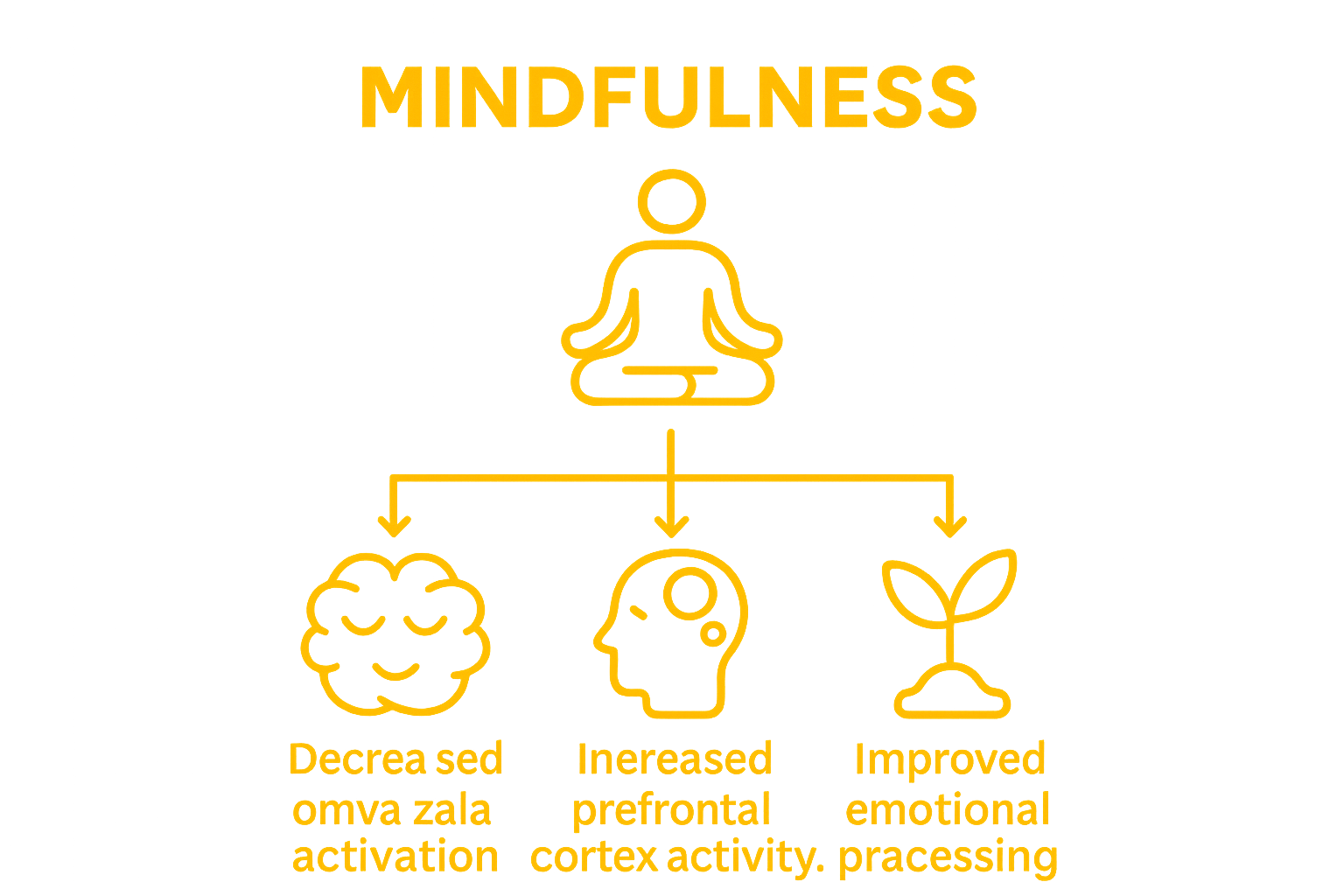
- Decreased activation of the amygdala (fear center)
- Increased prefrontal cortex activity (rational decision making)
- Enhanced neural plasticity and adaptive thinking
- Improved emotional processing capabilities
Mental Health and Psychological Resilience
Inner peace acts as a powerful psychological buffer against mental health challenges. By developing a stable internal environment, individuals become better equipped to manage life’s inevitable challenges. This resilience is not about avoiding difficulties but developing the psychological flexibility to navigate them effectively.
The psychological advantages extend to multiple domains:
- Reduced symptoms of anxiety and depression
- Greater emotional stability
- Improved stress management capabilities
- Enhanced capacity for empathy and compassionate understanding
For those interested in deeper exploration of mindfulness techniques, read more about our guided meditation sessions that can support your journey toward inner peace.
Ultimately, finding inner peace is a personalized journey of self-discovery. It requires consistent practice, self-reflection, and a commitment to understanding one’s inner emotional landscape. The psychological benefits are not instantaneous but emerge through dedicated, compassionate self-exploration and intentional mental training.
How Inner Peace Influences Daily Life and Relationships
Inner peace transcends personal psychological states, profoundly transforming how individuals interact with themselves and others. It serves as a fundamental framework that reshapes interpersonal dynamics, communication patterns, and overall life experiences, creating a ripple effect of positive engagement across multiple domains.
Interpersonal Communication and Emotional Intelligence
Research from Utah State University reveals that mindfulness practices enhance emotional intelligence, enabling individuals to communicate more effectively and empathetically. When someone cultivates inner peace, they develop a more nuanced understanding of their emotional landscape, which directly impacts their ability to listen, respond, and connect with others.
Key improvements in interpersonal interactions include:
- Enhanced active listening skills
- Reduced reactive communication
- Greater emotional empathy
- More authentic and compassionate exchanges
Relationship Dynamics and Conflict Resolution
Individuals with a strong sense of inner peace approach relationships from a fundamentally different perspective. They are less likely to be triggered by external tensions and more capable of maintaining emotional equilibrium during challenging interactions. This emotional resilience transforms potential conflict scenarios into opportunities for mutual understanding and growth.
Relationship benefits manifest through:
- Decreased defensive communication
- Improved emotional regulation
- More patient and understanding interactions
- Ability to set healthy boundaries
For those interested in deepening their understanding of intuitive communication, explore our guide on instinctive connection techniques that can further support personal growth.
Ultimately, inner peace is not a static state but a dynamic process of continuous personal development. By consistently nurturing internal harmony, individuals create more meaningful, authentic, and fulfilling relationships, transforming not just their personal experiences but contributing to a more compassionate and understanding social environment.
Key Concepts and Practices to Cultivate Inner Peace
Cultivating inner peace is a deliberate and systematic journey that requires understanding specific psychological principles and implementing targeted practices. Unlike passive relaxation, finding inner peace demands active engagement, intentional strategies, and consistent personal development approaches.
The following table compares foundational mindfulness techniques and emotional regulation strategies discussed in the article, helping readers see how different practices contribute to the cultivation of inner peace.
| Practice Category | Example Techniques/Strategies | Primary Purpose |
|---|---|---|
| Mindfulness Techniques | Breath-focused meditation, body scan, mindful observation | Increase present-moment awareness and non-reactivity |
| Emotional Regulation | Pause/reflection, emotional awareness, boundary-setting | Manage emotions, reduce reactivity, build resilience |
| Self-Compassion | Transforming negative self-talk | Develop kindness toward self, reduce self-criticism |
Foundational Mindfulness Techniques
Research from the National Institutes of Health demonstrates that mindfulness meditation serves as a cornerstone practice for developing inner peace. This approach involves deliberate, nonjudgmental awareness of present moment experiences, training the mind to observe thoughts and emotions without becoming entangled in them.
Key mindfulness practices include:
- Breath-focused meditation
- Body scan techniques
- Mindful observation of thoughts
- Non-reactive awareness exercises
Emotional Regulation and Self-Compassion
Developing inner peace requires mastering emotional regulation and cultivating deep self-compassion. This involves learning to approach personal challenges with kindness, understanding, and a non-critical perspective. By recognizing that imperfection is a universal human experience, individuals can develop a more balanced and peaceful internal landscape.
Essential emotional regulation strategies encompass:
- Practicing deliberate pause and reflection
- Developing emotional awareness
- Creating healthy boundary-setting skills
- Transforming negative self-talk
For professionals seeking structured guidance in managing emotional overwhelm, explore our comprehensive program from overwhelm to inner calm which offers targeted strategies for emotional balance.
Ultimately, cultivating inner peace is a personalized journey that requires patience, consistent practice, and a commitment to self-understanding. It is not about achieving a perfect state of tranquility, but developing resilience, emotional flexibility, and a compassionate relationship with oneself.
Real-World Examples of Achieving Inner Peace
Inner peace is not a theoretical concept but a tangible, achievable state that manifests through deliberate personal transformation. Real-world experiences demonstrate how individuals from diverse backgrounds successfully navigate life’s complexities by developing robust inner resilience and emotional equilibrium.
Professional Adaptation and Personal Growth
Research from the University of Rhode Island’s Center for Nonviolence and Peace Studies reveals compelling narratives of professionals integrating inner peace principles into challenging work environments. These examples illustrate how individuals can maintain emotional balance amid high-stress professional landscapes.
Characteristic strategies observed include:
- Implementing daily mindfulness routines
- Developing non-reactive communication skills
- Creating clear personal and professional boundaries
- Practicing consistent self-reflection
Transformative Personal Narratives
Personal transformation stories highlight how inner peace emerges through intentional practices and profound self-understanding. These narratives often reveal that achieving inner peace is less about eliminating external challenges and more about cultivating internal resilience and perspective.
Common transformation pathways involve:
- Overcoming significant life transitions
- Healing from emotional trauma
- Rebuilding self-confidence after setbacks
- Developing a compassionate self-relationship
For those seeking deeper insights into authentic personal presence, explore our program on being real and present which offers profound strategies for personal growth.
Ultimately, achieving inner peace is a dynamic, ongoing process that looks different for each individual. These real-world examples demonstrate that inner peace is not a destination but a continuous journey of self-discovery, emotional intelligence, and intentional personal development.
Ready to Transform Your Path to Inner Peace?
If you have ever struggled with feeling overwhelmed or caught in cycles of stress, the journey described in “Understanding the Journey of Finding Inner Peace” probably feels familiar. This article emphasizes how important emotional grounding, self-awareness and consistent practice are when seeking true inner tranquility. The real challenge is often finding practical support and guidance to incorporate these concepts into your daily life so that inner peace becomes a lived experience, not just an idea.

Plentiful connects you with experienced coaches, healers and guides who specialize in holistic well-being and personal growth. Whether you need tailored 1:1 sessions, meditation instruction, or even digital tools to begin your transformation, our platform is here to support every step of your journey. If you are ready to experience the benefits of inner peace and finally break free from emotional overwhelm, start by exploring the resources at Plentiful. Let us help you bridge the gap between understanding and truly living inner calm. Find your guide and schedule your first session today at https://helloplentiful.com.
Frequently Asked Questions
What is inner peace?
Inner peace is a sustained state of emotional stability and mental clarity that comes from within. It allows individuals to face life’s challenges with resilience and equilibrium, rather than eliminating stress or conflict.
How can I cultivate inner peace?
Cultivating inner peace involves practicing mindfulness techniques like meditation, developing emotional regulation strategies, and fostering self-compassion. Consistent self-reflection and personal growth are also crucial to this journey.
What are the psychological benefits of finding inner peace?
Finding inner peace can lead to improved mental health, reduced anxiety, better stress management, and enhanced emotional intelligence. It helps individuals become more resilient in facing life’s challenges.
How does inner peace affect relationships?
Inner peace positively influences relationships by enhancing communication, emotional intelligence, and empathy. It allows individuals to respond calmly during conflicts, fostering understanding and connection rather than defensiveness.
Recommended
- Four Dimensions Wellness with Jennifer Otsuki
- Your Divine Self | Alexandra Keller
- Heal Your Inner Child | Gerly Toomeoja
- Mindful With Dee Hennessy
- Intuitive Readings and Guidance | Milagros Phillips
- Conscious Breathwork Journey | Matthew Magaña
Want your life to be more Plentiful?
Sign up for stories, experience info and launches, and event invites delivered right to your inbox.
Unsubscribe anytime.