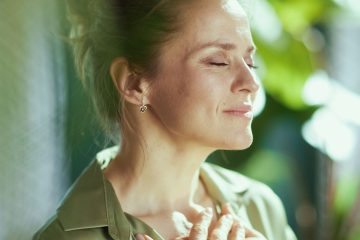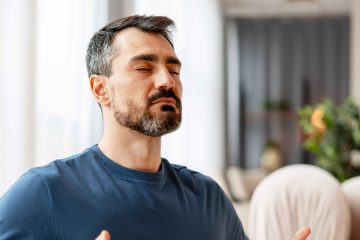







Sound healing uses tones, rhythm, vibration, and focused listening to encourage relaxation and greater awareness of the body. A session might involve singing bowls, gongs, chimes, drums, tuning forks, the human voice, or recorded sounds.
Some people attend sound healing because they feel stressed or mentally overloaded. Others use it to support meditation, explore their emotions, or create a deliberate pause from the demands of everyday life. You do not need musical experience or an established spiritual practice to participate.
Experiences range from large group sound baths to individual sessions tailored around a particular intention. They may take place in person or online, and participants generally spend much of the session sitting or lying down while listening.
The term “sound healing” covers a wide range of practices, so it helps to understand what a session involves, what research can reasonably tell us, and how to choose an experience that feels right for you.
Sound Healing in Simple Terms
Sound healing is a wellness practice that uses sound as the focus of a guided restorative experience.
The practitioner creates tones and vibrations with instruments, voice, or recorded audio. Participants listen while resting, meditating, breathing, or paying attention to physical sensations.
The word “healing” can create the impression that the practice treats or cures a health condition. That is not how sound healing should be understood. A sound session may support relaxation, reflection, or emotional well-being, but it should not replace medical or mental health care.
People also use the terms sound therapy, vibrational sound therapy, sound meditation, and sound bath. These practices can overlap, although their formats and levels of professional regulation differ.
Sound Healing, Sound Baths and Music Therapy
Sound healing and music therapy are sometimes discussed as if they were interchangeable. They are distinct practices.
Sound healing is a broad wellness term. Practitioners may use singing bowls, gongs, chimes, tuning forks, drums, vocal toning, or other instruments to create an immersive listening experience. Training and credentials vary considerably.
A sound bath is a common group format. Participants usually lie down while a facilitator plays a sequence of resonant instruments around the room. The name refers to being immersed in sound. No water is involved.
Music therapy is a clinical discipline delivered by a credentialed music therapist. It may involve listening, singing, playing instruments, songwriting, movement, or structured musical activities designed around therapeutic goals.
This distinction matters when interpreting research. Much of the stronger evidence concerns music-based interventions or credentialed music therapy rather than commercial sound baths. Findings from one field cannot automatically be applied to every sound-healing practice.
How Sound Can Affect the Mind and Body
Sound reaches us through moving waves of air that the ears convert into signals for the brain. The brain continuously interprets features such as rhythm, pitch, volume, repetition, and changes in intensity.
Sound also shapes attention. When you focus on a sustained gong, the fading tone of a singing bowl, or the rhythm of a drum, your attention has somewhere specific to settle. This can make it easier to step away from repetitive thoughts and become more aware of your breathing and physical sensations.
The setting contributes to the experience as well. Lying down, closing your eyes, reducing outside stimulation, and setting aside uninterrupted time can all support relaxation.
Lower, resonant instruments may also create vibrations that participants feel physically. A large gong or singing bowl can produce overtones that seem to move through a room, while a drum creates a more distinct rhythmic sensation.
People respond differently. One participant may feel deeply relaxed, another may become emotional, and someone else may simply enjoy the sound without experiencing a dramatic change.
The Potential Benefits of Sound Healing
Sound healing is often promoted as a remedy for a long list of physical and psychological conditions. The research does not support many of the strongest claims.
A more credible way to describe its potential benefits is to separate the growing evidence around music-based interventions from the smaller body of research focused specifically on singing bowls and sound meditation.
Relaxation and Stress Relief
Creating time to lie down, listen closely, and disengage from ordinary demands can feel restorative. Repeating tones and gentle rhythms may also help some people settle their attention and slow their breathing.
The National Center for Complementary and Integrative Health reports that music-based interventions may improve psychological and physical measures associated with stress. However, music therapy and music-based clinical interventions are more structured than many sound baths.
Research specifically involving singing bowls is more limited. A systematic review of singing-bowl studies reported promising changes in areas including anxiety, tension, mood, and some physiological measures. The authors also emphasized that the number of studies was small and that methodological limitations prevented firm recommendations.
Sound healing may therefore offer a useful relaxation practice, but current evidence does not establish it as a treatment for chronic stress or anxiety disorders.
Support for Meditation
Sound can provide a focal point for people who find silent meditation difficult.
Instead of repeatedly trying to clear your mind, you can notice each tone as it begins, changes, and fades. When your attention wanders, the next sound gives you a natural place to return.
This makes sound meditation approachable for beginners. It can also add variety for people who already meditate regularly.
If you are interested in building a broader practice, our guide to meditation for stress relief explains several ways to begin.
Greater Body Awareness
Sound healing sessions often invite participants to notice their breathing, muscle tension, and physical responses to different tones.
You might become aware that your shoulders have been raised, your jaw has been clenched, or your breathing has become shallow. Recognizing those patterns can help you release some tension or understand how stress is showing up in your body.
Any physical response remains personal. Claims that particular frequencies repair organs, realign cells, or remove toxins have not been established through reliable clinical evidence.
Emotional Reflection
Music and sound can evoke memories, associations, and emotions. A sound-healing session may bring up sadness, relief, joy, discomfort, or an unexpected sense of release.
The facilitator should give you space to experience your response without insisting on a particular interpretation. Feeling emotional does not necessarily mean that hidden trauma has been removed or that a specific energetic event has occurred.
The experience may simply create enough space for feelings that have been difficult to notice during a busy day.
Rest and Mental Space
Many people rarely spend an uninterrupted hour away from screens, conversations, responsibilities, and incoming information.
A sound bath creates a defined period in which very little is required of you. That alone can feel valuable. You can listen, rest, and allow your attention to move without having to produce an outcome.
Common Sound-Healing Instruments and Practices
Different instruments create distinct experiences. A session may focus on one instrument or combine several.
Singing Bowls
Singing bowls are played by striking the bowl or moving a mallet around its rim. Metal and crystal bowls produce sustained tones with layered overtones.
They are commonly used in sound baths, meditation classes, yoga sessions, and individual sound-healing experiences.
You may hear claims connecting individual bowls to specific chakras or physical organs. These associations belong to particular spiritual and wellness traditions rather than established medical science.
Gongs
Gongs create powerful, complex sounds that change as the instrument is played. A skilled practitioner can move from gentle tones to much fuller waves of sound.
Because gongs can become loud and intense, tell the facilitator if you are sensitive to sound, experience migraines, have tinnitus, or use a hearing device.
Tuning Forks
Tuning forks produce a consistent pitch when struck. Practitioners may hold them near the body or place specially designed forks against certain areas to create a physical vibration.
Research has not established that individual tuning-fork frequencies treat particular diseases. Some participants nevertheless find the sound and vibration soothing.
Drums
Drumming introduces rhythm rather than sustained tones. Repetitive drumming appears in ceremonial, communal, and contemplative practices across many cultures.
A drum-based session may feel more grounding or energizing than a session centered on singing bowls and chimes.
Chimes and Bells
Chimes, bells, and similar instruments create bright tones that can mark transitions during a session. A facilitator might use them to begin the experience, redirect attention, or gradually bring participants back to ordinary awareness.
Voice, Chanting and Humming
The human voice is one of the most accessible sound practices. Chanting, humming, and vocal toning combine sound with controlled breathing and physical vibration.
Some sessions invite participants to join in. Others use the practitioner’s voice while participants listen.
Recorded Frequencies and Binaural Beats
Recorded sound is often used for meditation, sleep, focus, or relaxation. Binaural beats involve presenting slightly different tones to each ear, which requires headphones.
Evidence around specific frequency-based claims remains mixed. Approach promises that a precise frequency will produce a guaranteed emotional or medical result with caution.
You can learn more about the history and claims surrounding particular tones in our guide to Solfeggio frequencies.
What Happens During a Sound-Healing Session?
The exact structure depends on the facilitator and format, but many sessions follow a similar progression.
Arrival and Introduction
The practitioner may explain the instruments, describe the structure of the session, and ask whether anyone has sound sensitivities or relevant health concerns.
In an individual session, you may also discuss what brought you there and what you would like from the experience.
Getting Comfortable
Participants generally lie on a mat or sit in a supported position. Blankets, cushions, bolsters, and eye masks may be available.
Comfort matters because remaining in an awkward position can distract you from the experience. You should always be able to adjust your position, sit up, or leave the room if necessary.
Settling In
The session may begin with guided breathing, a body scan, or a short meditation. This gives participants time to arrive mentally and notice how they feel before the instruments begin.
The Sound Experience
The practitioner gradually introduces bowls, gongs, drums, chimes, voice, or other instruments.
Some sessions remain gentle throughout. Others build in intensity before becoming softer again. Group sound baths generally follow a sequence chosen by the facilitator, while individual sessions may be adapted to your preferences and reactions.
You are not required to concentrate perfectly. Your mind may wander, you may fall asleep, or you may notice thoughts and emotions coming and going.
Returning and Reflecting
The facilitator usually brings the session to a gradual close. You may be invited to breathe more deeply, move your hands and feet, sit up slowly, and notice how you feel.
Some practitioners offer time for journaling or group reflection. Sharing should always be optional.
Virtual and In-Person Sound Healing
Both formats can provide a meaningful experience, although they feel different.
In-Person Sessions
An in-person session allows you to hear the instruments directly in the room. You may feel vibrations from larger instruments and experience a stronger sense of immersion.
Group sound baths can also create a sense of shared ritual and connection.
Virtual Sessions
Virtual sound healing offers convenience and privacy. You can participate from home, arrange your own comfortable space, and avoid traveling after a deeply relaxing session.
Audio quality depends on the practitioner’s equipment, your speakers or headphones, and your internet connection. Headphones can improve detail, although they may not reproduce the physical sensation of a gong or large singing bowl in the room.
Individual Sessions
One-to-one sound healing allows the facilitator to adapt the pacing, instruments, and focus to you. This may suit someone who feels uncomfortable in groups, wants more personal attention, or has specific sound sensitivities.
Group Sound Baths
Group sessions tend to be more affordable and can provide a powerful shared experience. The tradeoff is that the facilitator cannot tailor every sound or transition to each participant.
How to Choose a Sound-Healing Practitioner
Sound healing is not regulated consistently, so a practitioner’s approach and training matter.
Look for someone who:
- Clearly describes their training and experience
- Explains what the session will involve
- Makes realistic claims about potential benefits
- Asks about sound sensitivities and relevant health concerns
- Allows participants to adjust their position or leave
- Treats emotional responses with care
- Respects personal boundaries and consent
- Refers clients to qualified medical or mental health professionals when appropriate
Be cautious when someone promises to cure illness, guarantees a particular result, discourages conventional treatment, or claims that discomfort proves the session is working.
Plentiful practitioners are reviewed through a structured vetting process before offering experiences on the platform. You can explore sound-healing sessions, workshops, and experiences offered in a range of formats.
Preparing for Your First Sound-Healing Experience
A little preparation can make the session more comfortable.
Wear clothing that allows you to sit or lie down easily. If the organizer does not provide props, bring a yoga mat, blanket, cushion, water, and anything else you need to remain comfortable.
Avoid arriving extremely hungry or immediately after a heavy meal. Give yourself enough time to settle before the session begins.
Tell the practitioner about tinnitus, migraines, hearing sensitivities, epilepsy, pregnancy, implanted medical devices, significant trauma responses, or any condition that could affect your comfort or safety. Ask a healthcare professional for guidance when you are uncertain.
You can also choose a simple intention, such as resting, becoming more present, or noticing how your body responds. The intention does not need to be ambitious.
Try to leave a little space after the session rather than rushing directly into another demanding commitment.
Is Sound Healing Safe?
Sound healing is generally a low-intensity wellness practice, but it is not suitable for everyone in every format.
High volumes can damage hearing, and powerful instruments may aggravate tinnitus, migraines, sensory sensitivities, or sound-related anxiety. Certain sounds can also evoke strong memories or emotions.
The National Center for Complementary and Integrative Health notes that listening at excessive volume can contribute to hearing loss and that music can sometimes trigger distressing emotional reactions.
Before participating:
- Ask how loud the session may become
- Sit farther from large gongs or speakers if needed
- Tell the facilitator about sound sensitivities
- Keep the option to remove headphones or leave the room
- Consult an appropriate healthcare professional if you have concerns
- Continue any medical or psychological care already recommended to you
A responsible practitioner will welcome these questions.
Starting a Sound-Healing Practice
Your first experience does not need to become a long-term commitment.
You might begin with a single group sound bath, an individual virtual session, or a short recorded sound meditation. Notice how you feel during the experience and afterward.
One session may help you relax. Several sessions may help you decide whether the practice deserves a regular place in your routine. There is no research-based rule requiring sound healing twice a week or at any other fixed frequency.
Choose a format that fits your needs, schedule, comfort level, and budget.
Finding the Right Sound Experience
Sound healing gives you an unusual opportunity to stop doing and spend time listening. For some people, that creates relaxation. For others, it supports meditation, emotional awareness, or a stronger sense of connection to the body.
The experience does not have to feel mystical or dramatic to be worthwhile. You may leave feeling rested, thoughtful, energized, or simply curious about what you noticed.
Approach sound healing with openness and realistic expectations. Choose a responsible practitioner, pay attention to your own response, and treat the practice as one possible part of caring for your well-being.
Frequently Asked Questions About Sound Healing
What is sound healing?
Sound healing is a wellness practice that uses instruments, voice, rhythm, or recorded tones to support relaxation, meditation, body awareness, or emotional reflection. Common instruments include singing bowls, gongs, chimes, drums, and tuning forks.
Does sound healing really work?
Some people report feeling calmer or more relaxed after a sound-healing session. Research into music-based interventions is promising for areas such as stress and anxiety, but studies specifically examining commercial sound healing and singing bowls remain limited. Sound healing has not been established as a treatment or cure for medical conditions.
What are the benefits of sound healing?
Potential benefits may include relaxation, reduced feelings of stress, greater body awareness, support for meditation, and space for emotional reflection. Individual experiences vary, and stronger health claims require more research.
What is vibrational sound therapy?
Vibrational sound therapy uses instruments that produce both audible tones and physical vibrations. Singing bowls, gongs, and tuning forks are commonly used. Some practitioners place specially designed instruments on or near the body, while others create vibration through sound moving around the room.
What is the difference between a sound bath and sound healing?
Sound healing is the broader category. A sound bath is a particular group format in which participants sit or lie down while a facilitator creates an immersive sequence of sounds.
What does sound healing feel like?
You may feel relaxed, sleepy, emotional, physically aware of the vibrations, or mentally alert. Some people experience very little beyond enjoying the sounds. There is no single correct response.
Can sound healing help with anxiety?
Music-based interventions have shown potential for reducing anxiety in some settings. Research specifically focused on sound baths and singing bowls remains limited. Someone experiencing persistent or severe anxiety should seek support from a qualified mental health professional.
Can sound healing improve sleep?
A relaxing sound practice may help some people settle before bed. Research into music-based interventions and sleep has produced mixed results, and there is not enough evidence to promise that sound healing will treat insomnia.
Do I need to believe in energy healing for sound healing to work?
No. You can participate as a relaxation or meditation practice without adopting spiritual explanations about energy, chakras, or frequencies.
Can I do sound healing online?
Yes. Virtual sessions allow you to participate from home using speakers or headphones. They may not reproduce the physical vibrations of large instruments in the room, but they can still provide a focused listening and meditation experience.
How often should I attend sound-healing sessions?
There is no established schedule. Some people attend occasionally, while others include sound meditation in a regular wellness routine. Base the frequency on how you respond, what you hope to gain, and what works for your life.
Who should avoid sound healing?
People with tinnitus, hearing sensitivities, migraines, epilepsy, implanted medical devices, significant trauma responses, or other health concerns should discuss the session with the facilitator and seek medical guidance when appropriate. Anyone who feels uncomfortable during a session should be free to stop.