In today’s fast-paced world, finding moments of tranquility can feel elusive. The constant barrage of notifications, deadlines, and responsibilities can leave little room for peace. However, meditation offers a powerful antidote to the chaos.
A brief, 20-minute meditation session can significantly improve mental clarity, reduce stress, and enhance overall well-being. This guide will walk you through the essentials of a 20-minute meditation practice, helping you unlock a calm and centered mind. By dedicating just a small portion of your day, you can cultivate a sense of peace that carries through even the busiest of times.

Meditation is a practice that has been around for thousands of years, rooted in ancient traditions. It involves training your mind to focus and redirect thoughts, which can lead to a multitude of benefits. Regular meditation practice can decrease anxiety, improve emotional health, lengthen attention span, and even reduce age-related memory loss. These benefits extend beyond the meditation session itself, influencing how you react to stress and challenges throughout your day.
In addition to the immediate benefits, meditation fosters a deeper understanding of oneself. As you regularly engage in meditation, you become more attuned to your thoughts and emotions, gaining insight into your habitual patterns. This awareness is the first step towards making meaningful changes in your life, allowing you to approach situations with greater clarity and compassion. As your practice evolves, you’ll likely notice a shift in your perspective, leading to a more balanced and fulfilling life.
Why 20 Minutes?
You might wonder, why specifically 20 minutes? Research suggests that meditating for this duration can strike a balance between achieving profound benefits and maintaining consistency in your routine. It’s long enough to enter a state of deep relaxation but short enough to easily fit into a busy schedule. This timeframe allows your mind to settle, enabling you to reach a deeper state of meditation without becoming a daunting task.
Moreover, 20 minutes is an accessible starting point for beginners. It offers enough time to explore different techniques and deepen your practice without overwhelming you. By committing to this manageable duration, you are more likely to sustain a regular practice, gradually building the discipline and mindfulness that can lead to longer sessions if desired. Over time, this simple daily habit can become a cornerstone of your mental and emotional well-being.
Setting Up Your Meditation Space
Creating the right environment is crucial for a successful meditation session. Find a quiet space where you won’t be disturbed, free from distractions like phones or loud noises. Consider adding elements that promote relaxation, such as dim lighting, comfortable seating, or calming scents like lavender or sandalwood. The ambiance of your meditation space plays a significant role in how easily you can slip into a state of calm.
To further enhance your space, consider incorporating natural elements, like plants or a small water feature, which can create a soothing atmosphere. Personalize your meditation corner with items that inspire you, such as a meaningful object or a small piece of art. These touches can make your space feel inviting and nurturing, encouraging you to return to your practice regularly. Remember, the goal is to create an environment that supports relaxation and introspection.
Choosing the Right Music
Music can enhance your meditation experience by helping to focus your mind and elevate your mood. Opt for 20-minute meditation music tracks that feature soft, instrumental sounds or ambient nature noises. These can be found on streaming platforms or meditation apps. The right music can serve as a gentle guide, leading you deeper into your meditation practice.
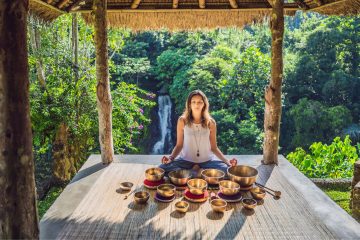
When selecting music, consider how different sounds affect your state of mind. While some people may find nature sounds like rain or ocean waves soothing, others may prefer the simplicity of a Tibetan singing bowl or a soft piano melody. Experiment with different types of music to discover what resonates with you and enhances your meditation experience. This auditory environment can significantly impact your ability to relax and focus.
The 20-Minute Guided Meditation Routine
Now, let’s dive into a simple, guided meditation routine that you can follow. This routine is designed to help you ease into meditation, whether you are a beginner or have some experience. By following these steps, you can gradually build a meditation practice that fits seamlessly into your daily life.
Step 1: Settle into Your Space (5 minutes)
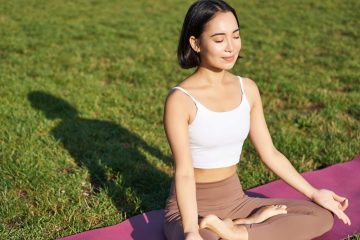
Begin by sitting or lying down in your meditation space. Close your eyes gently and take a few deep breaths. Focus on the sensation of the air entering and leaving your lungs. Allow your body to relax with each exhale, releasing tension from your muscles. This initial step is about creating a foundation of calmness that will support the rest of your meditation.
Take this time to adjust your posture to ensure comfort, perhaps using cushions or a blanket to support your body. As you breathe deeply, notice any areas of tension and consciously let them go with each breath. This awareness helps you to transition from the busyness of the day into a more serene state, setting the tone for your session.
Step 2: Focus on Your Breath (5 minutes)
Direct your attention to your breath. Notice the rhythm and depth of each inhale and exhale. If your mind starts to wander, gently bring your focus back to your breathing. This practice helps anchor your mind in the present moment. Breath awareness is a powerful tool for cultivating mindfulness, as it keeps you grounded and aware of your physical presence.
As you maintain your focus, try to observe the subtleties of your breath—how it feels as it enters through your nostrils, fills your lungs, and then exits with a gentle sigh. By honing in on these details, you deepen your connection to the present, quieting the mental chatter that often accompanies our daily lives. This focused breathing can become a refuge, a place to return whenever you feel stressed or distracted.
Step 3: Body Scan (5 minutes)
Perform a mental scan of your body, starting from the top of your head and moving down to your toes. Notice any areas of tension or discomfort, and consciously relax those muscles. This scan increases your awareness of physical sensations and promotes relaxation. The body scan is a practice in self-awareness, encouraging you to listen to the subtle messages your body communicates.
As you move through each part of your body, take a moment to express gratitude for its function and presence. This practice not only helps in releasing physical tension but also fosters a sense of appreciation and connection to your body. Over time, this heightened awareness can lead to better self-care and a more harmonious relationship with your physical self.
Step 4: Visualization (5 minutes)
Visualize a peaceful scene, such as a tranquil beach or a serene forest. Imagine yourself in this setting, fully immersed in the sights, sounds, and smells. Visualization can enhance your meditation by providing a mental escape and fostering a sense of peace. This technique taps into the power of your imagination, transforming your mental state through vivid imagery.
As you engage in visualization, allow yourself to explore the environment with curiosity. Notice the colors, textures, and sensations, letting them wash over you in a wave of calm. This mental journey can serve as a powerful reminder of the tranquility that exists within you, accessible at any time through meditation. Visualization can be particularly beneficial during stressful times, offering a safe retreat from external pressures.
Tips for a Successful Meditation Practice

Be Consistent
Consistency is key to reaping the benefits of meditation. Try to meditate at the same time each day, whether it’s in the morning to start your day with calmness or in the evening to unwind. Establishing a routine reinforces the habit, making it an integral part of your daily life. Over time, this consistency helps build the neural pathways that support mindfulness and relaxation.
Incorporate meditation into your daily schedule as you would any other important appointment. By prioritizing this time for yourself, you reinforce its value and importance in your life. Consistency not only enhances the benefits of meditation but also strengthens your commitment to self-care and personal growth.
Be Patient
Meditation is a skill that improves with practice. Be patient with yourself, especially if you find it difficult to focus or relax initially. Over time, you’ll likely find it easier to enter a meditative state. Remember that each session is a step forward, even if it feels challenging.
Approach your practice with curiosity rather than judgment. Each meditation is unique, offering different insights and experiences. By maintaining a patient and open-minded attitude, you allow yourself the freedom to grow and learn at your own pace, without the pressure of perfection.
Use Guided Meditations
If you’re new to meditation, guided sessions can be particularly helpful. These are available as audio tracks or apps and provide step-by-step instructions (here’s one of many examples), making it easier to stay focused. If you prefer a more personal approach, Plentiful offers a range of meditation experiences that can be tailored to your exact needs. One such experience is “Meditate to Illuminate,” a 30-minute virtual (online) session with our amazing Lexy Davis, that will let you soak up calmness, relaxation and presence wherever you are in the world.
Guided meditations can introduce you to various techniques and approaches, expanding your understanding of the practice.
Explore different guided meditations to find voices and styles that resonate with you. Whether you prefer a calming voice or a more instructional tone, the right guide can enhance your meditation experience, providing support and encouragement along your journey.
Exploring Other Meditation Techniques
While the above routine is a great starting point, there are many other meditation techniques you can explore once you feel comfortable. These include mindfulness meditation, loving-kindness meditation, and transcendental meditation. Experiment with different styles to find what resonates best with you. Each technique offers unique benefits, allowing you to tailor your practice to your needs and preferences.
Mindfulness meditation focuses on being fully present in the moment, cultivating awareness without judgment. Loving-kindness meditation encourages the development of compassion and empathy, both for yourself and others. Transcendental meditation involves the use of a mantra to settle the mind into a state of profound rest. By exploring these techniques, you can enrich your practice and discover new dimensions of personal growth.
The Role of Meditation in Daily Life
Meditation is more than just a practice… it’s a way of life. Integrating meditation into your daily routine can lead to a more mindful, balanced existence. Whether you’re dealing with daily stressors or seeking deeper personal growth, meditation offers a path to inner peace and resilience. As you cultivate this practice, you may notice improvements in your relationships, work, and overall quality of life.
By embracing meditation as a lifestyle, you become more attuned to the present moment, allowing you to respond to life’s challenges with clarity and composure. This mindfulness permeates every aspect of your life, from mundane tasks to significant decisions, fostering a deeper connection with yourself and the world around you.
Conclusion
Incorporating a 20-minute meditation practice into your daily routine can unlock a wealth of benefits, from improved mental clarity to enhanced emotional well-being. By creating a dedicated meditation space, using calming music, and following a structured routine, you can transform moments of chaos into opportunities for tranquility. This practice invites you to step away from the demands of the external world and connect with your inner peace.
As you continue your meditation journey, remember that consistency and patience are your allies. With time, you’ll discover the profound impact that meditation can have on your life, helping you navigate challenges with a calm and centered mind. Embrace this journey as an ongoing exploration of self-discovery and transformation, knowing that each meditation brings you closer to the peace and balance you seek.
Ready to improve your life?
Access our free newsletter designed to help you become the best version of yourself.
Learn how to find your path, understand yourself, and make progress toward your dream life.