







Breath work has gone from yoga studios to boardrooms, promising to clear foggy minds and soothe frayed nerves. Think meditation is the only way to melt stress? Not quite. Recent research shows that controlled breathing can enhance focus and emotional regulation in just a few minutes, and even reduce anxiety by up to 44 percent. But the biggest surprise is how seamlessly these simple practices can fit into even the busiest schedules, turning coffee breaks and commute time into powerful moments of clarity.
Table of Contents
- Understanding What Breath Work Means
- How Breath Work Supports Modern Professionals
- Popular Breath Work Techniques for Beginners
- Simple Steps to Add Breath Work Into Your Day
Quick Summary
| Takeaway | Explanation |
|---|---|
| Breath work improves mental clarity. | Controlling breathing patterns enhances focus and cognitive flexibility, essential for high-performing professionals. |
| Start with simple techniques. | Beginners can practice diaphragmatic and box breathing for effective stress reduction and relaxation. |
| Integrate breath work into daily routines. | Incorporate short breathing exercises during breaks or transitions to sustain calmness and reduce stress. |
| Consistent practice builds resilience. | Regular breath work habits lead to long-term improvements in emotional regulation and stress management. |
| Use technology for reminders. | Smartphone apps can prompt short breathing sessions throughout the day, facilitating easy integration into busy schedules. |
Understanding What Breath Work Means
Breath work represents a powerful practice of intentional breathing techniques designed to transform your physical, mental, and emotional well-being. Far more than simple breathing, it is a deliberate approach to controlling and manipulating respiratory patterns to achieve specific therapeutic outcomes.
The Fundamental Principles of Breath Work
At its core, breath work involves conscious manipulation of breathing rhythms to influence the autonomic nervous system. Research from the Global Wellness Institute reveals that these techniques go beyond traditional relaxation methods, offering a structured approach to managing stress, emotional states, and overall health.
The science behind breath work is rooted in understanding how deliberate breathing patterns can directly impact physiological responses. According to medical research, specific breathing techniques can trigger significant changes in the body’s stress response, promoting relaxation and reducing anxiety. For instance, techniques like box breathing can help individuals manage stress by creating a controlled respiratory rhythm that signals safety to the nervous system.
Physiological Mechanisms of Breath Work
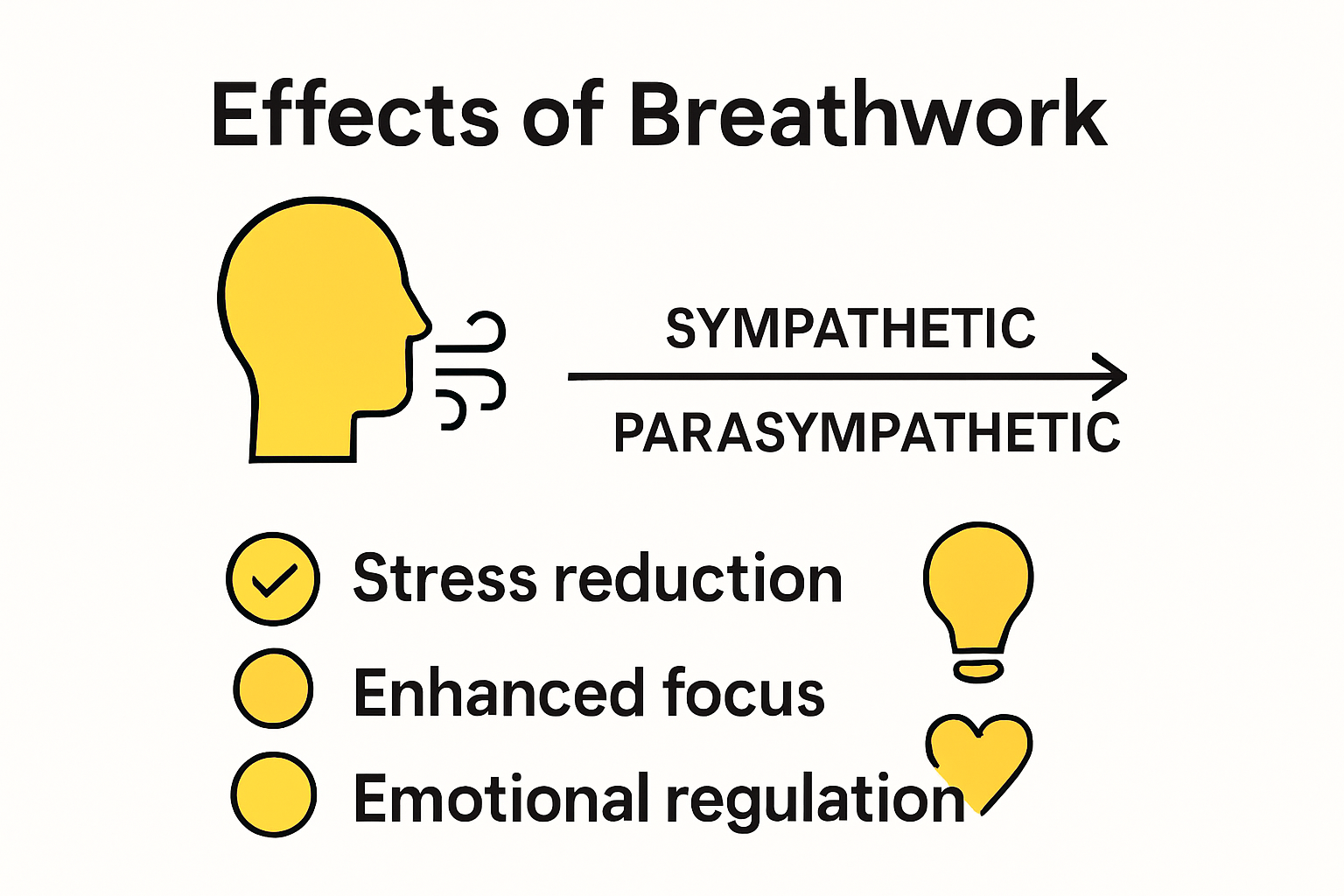
Breath work operates through intricate physiological mechanisms that extend far beyond simple oxygen exchange. When practiced intentionally, slow deep breathing stimulates baroreceptor activity, promoting vasodilation and reducing sympathetic nervous system activation. This means your body can transition from a state of high alert to a more relaxed, balanced condition.
Practitioners use various techniques targeting different outcomes. Some methods focus on reducing stress, while others aim to release emotional blockages or enhance mental clarity. The diversity of breath work approaches allows individuals to select techniques that resonate with their specific wellness goals.
For those interested in exploring structured breathwork experiences, learn more about our virtual breathwork classes that guide participants through expertly designed respiratory techniques. These sessions provide a supportive environment for individuals to discover the transformative potential of intentional breathing practices.
Breath work is not a one-size-fits-all approach. It requires practice, patience, and often guidance from experienced practitioners who understand the nuanced techniques and potential physiological responses. Whether you’re seeking stress relief, emotional healing, or enhanced mental performance, breath work offers a powerful tool for personal transformation.
How Breath Work Supports Modern Professionals
Modern professionals face unprecedented levels of stress and mental fatigue, making breath work an essential tool for maintaining peak performance and emotional resilience. The demands of high-pressure careers often create chronic stress responses that can significantly impact both professional effectiveness and personal well-being.
Stress Management and Professional Performance
According to the American Psychological Association controlled breathing techniques offer a powerful mechanism for counteracting workplace anxiety and burnout. Professionals can leverage these techniques to rapidly reset their nervous system, transforming moments of high tension into opportunities for clarity and calm. The physiological benefits extend beyond immediate stress relief, creating long-term improvements in cognitive function and emotional regulation.
Research demonstrates that consistent breath work practice can enhance critical professional skills. Deep breathing techniques activate the parasympathetic nervous system, which helps professionals maintain composure during challenging meetings, high-stakes presentations, and complex decision-making scenarios. This neurological reset allows for more measured responses and improved emotional intelligence in professional environments.
Cognitive Enhancement and Mental Clarity
Breath work goes beyond stress reduction, offering tangible cognitive benefits for professionals seeking peak mental performance. By intentionally controlling breathing patterns, individuals can improve focus, reduce mental fog, and enhance overall cognitive flexibility. The practice creates a neurological bridge between physical relaxation and mental acuity, enabling professionals to approach complex challenges with greater creativity and strategic thinking.
Executives and high-performing professionals are increasingly recognizing breath work as a competitive advantage. The ability to quickly center oneself, manage emotional responses, and maintain mental clarity becomes a critical skill in today’s fast-paced work environments. Explore our specialized virtual breathwork classes designed specifically to support professional development and personal well-being.
Practitioners report significant improvements in areas crucial to professional success. These include enhanced decision-making capabilities, reduced reactivity during stressful interactions, and a greater sense of overall emotional balance. Breath work becomes a form of mental training, similar to physical exercise but focused on psychological resilience and cognitive performance.
For professionals committed to holistic personal development, breath work offers a scientifically-backed approach to managing the complex emotional and mental demands of modern careers. It provides a practical, accessible method for maintaining equilibrium, regardless of external pressures. By integrating these techniques into daily routines, professionals can cultivate a more balanced, responsive, and effective approach to both work and life challenges.
Ultimately, breath work represents more than a stress management technique. It is a comprehensive approach to personal and professional optimization, offering professionals a powerful tool for navigating the complexities of contemporary work environments with grace, clarity, and sustained performance.
Popular Breath Work Techniques for Beginners
Breath work offers a diverse array of techniques that provide accessible entry points for individuals seeking to improve their mental and physical well-being. For beginners, understanding and practicing foundational breathing methods can unlock profound benefits without requiring extensive prior experience or complex training.
Foundational Breathing Techniques
Research from the National Center for Biotechnology Information highlights several beginner-friendly breath work approaches that are scientifically validated for reducing anxiety and improving overall wellness. Three particularly effective techniques stand out for newcomers: diaphragmatic breathing, box breathing, and the 4-7-8 method.
Diaphragmatic breathing, often called belly breathing, involves deep inhalations that engage the entire lower lungs. Practitioners place one hand on their chest and another on their abdomen, focusing on expanding the stomach rather than raising the chest. This technique promotes full oxygen exchange, triggers the body’s relaxation response, and can be practiced in any comfortable seated or lying position.
Box breathing represents another powerful technique for beginners. According to Harvard Health Publishing, this method involves inhaling for four counts, holding for four counts, exhaling for four counts, and pausing for four counts. The symmetrical nature of box breathing creates a sense of predictability and control, making it an excellent tool for managing stress and improving focus.
Here is a comparison table summarizing the main beginner breath work techniques, their key features, and typical benefits:
This table compares the foundational breath work techniques described to help beginners choose the right method for their needs.
| Technique | Key Features | Benefits |
|---|---|---|
| Diaphragmatic Breathing | Deep belly breaths, focus on abdominal expansion | Triggers relaxation response, reduces anxiety, easy to practice anytime |
| Box Breathing | Inhale, hold, exhale, pause (4 counts each), rhythmic pattern | Calms nervous system, improves focus, manages stress |
| 4-7-8 Breathing | Inhale 4s, hold 7s, exhale 8s, mouth exhalation | Reduces stress, enhances sleep, aids emotional regulation |
Advanced Beginner Techniques
The 4-7-8 breathing technique offers a more nuanced approach for those ready to progress beyond basic methods. Developed by Dr. Andrew Weil, this technique involves inhaling through the nose for four seconds, holding the breath for seven seconds, and exhaling completely through the mouth for eight seconds. Practitioners report significant improvements in sleep quality, stress reduction, and emotional regulation.
Explore our virtual breathwork classes to receive guided instruction on these transformative techniques. Professional guidance can help beginners refine their approach and develop a consistent, effective practice.
Important considerations for beginners include maintaining a consistent practice, creating a quiet environment, and listening to your body. While these techniques are generally safe, individuals with respiratory conditions or cardiovascular issues should consult healthcare professionals before starting any new breathing practice.
Breath work is not about perfection but progression. Each breath represents an opportunity to connect with your body, release tension, and cultivate inner calm. By approaching these techniques with curiosity and patience, beginners can gradually develop a powerful tool for personal wellness that extends far beyond simple respiratory exercise.
Remember that breath work is a personal journey. What works effectively for one individual might require modification for another. Experimenting with different techniques, remaining open to subtle bodily sensations, and maintaining a non-judgmental attitude will support your exploration of these transformative breathing practices.
Simple Steps to Add Breath Work Into Your Day
Integrating breath work into daily life does not require extensive time commitments or complex routines. With strategic approaches, professionals and individuals can seamlessly incorporate these transformative practices into their existing schedules, creating meaningful opportunities for stress reduction and mental clarity.
Morning and Transition Rituals
Research from the International Journal of Yoga emphasizes the importance of consistent, short breathing interventions throughout the day. Begin by establishing a morning breath work ritual that takes no more than five minutes. Upon waking, sit comfortably and practice diaphragmatic breathing, focusing on slow, deliberate inhalations and exhalations. This practice sets a calm, intentional tone for the day ahead.
Transition moments present ideal opportunities for breath work. Before starting work, between meetings, or during commutes, implement quick breathing techniques. Box breathing four seconds inhale, four seconds hold, four seconds exhale, four seconds pause can be practiced discretely, helping reset your nervous system and maintain emotional equilibrium.
The following table summarizes suggested steps for incorporating breath work into different parts of a busy day.
This table provides a quick reference for integrating breath work routines based on daily activities and environments.
| Daily Moment | Suggested Breath Work Technique | Approximate Duration | Tips for Success |
|---|---|---|---|
| Morning (waking up) | Diaphragmatic Breathing | 2-5 minutes | Practice before checking devices |
| Before work | Box Breathing | 1-2 minutes | Use as a transition to shift focus |
| Between meetings | Box Breathing or 4-7-8 Breathing | 1-3 minutes | Use reminders or cues (calendar alerts) |
| Commute/Transition times | Box Breathing (discreet) | 1-2 minutes | Practice at stoplights or public transit |
| Micro-breaks at work | Diaphragmatic or conscious breathing | 1 minute | While waiting for emails to load, etc. |
| Before bed | 4-7-8 Breathing | 2-4 minutes | Helps wind down for restful sleep |
Workplace and Digital Integration
Modern technology offers innovative ways to incorporate breath work. Set hourly reminders on your smartphone or computer to prompt short breathing breaks. Many professionals find success with apps that guide two to three-minute breathing exercises, transforming potentially stressful work intervals into moments of mindful restoration.
Create micro-breaks during digital work by practicing conscious breathing while waiting for emails to load, during video conference transitions, or between tasks. These brief interventions can significantly reduce accumulated stress and improve overall cognitive performance.
Check out our stress relief video series for guided techniques you can easily integrate into your daily routine. These resources provide structured approaches to breath work that fit seamlessly into busy professional lives.
Consider designating specific triggers for breath work practice. For instance, practice deep breathing every time you stop at a traffic light, before opening your laptop, or while waiting for your morning coffee to brew. These consistent, small interventions accumulate significant benefits over time.
Remember that breath work is not about perfection but consistent, gentle practice. Start with short, manageable intervals and gradually expand your techniques. Some days will feel more challenging than others, and that is completely normal. The key is maintaining a non-judgmental, compassionate approach to your practice.
By treating breath work as a flexible, adaptable skill rather than a rigid discipline, you create space for genuine personal growth. Each conscious breath becomes an opportunity to reconnect with yourself, release tension, and cultivate inner calm amidst life’s constant demands.
Frequently Asked Questions
What is breath work?
Breath work refers to a range of intentional breathing techniques designed to improve physical, mental, and emotional well-being. It involves consciously controlling your breathing patterns to cultivate specific outcomes, such as relaxation or increased focus.
How can breath work help reduce stress?
Breath work helps reduce stress by activating the parasympathetic nervous system, which promotes relaxation and counters the body’s stress response. Techniques like box breathing and diaphragmatic breathing effectively lower anxiety levels and improve emotional regulation.
What are some beginner-friendly breath work techniques?
Popular beginner techniques include diaphragmatic breathing, box breathing, and 4-7-8 breathing. These methods are simple to learn and can provide significant benefits, such as reduced stress and improved mental clarity.
How can I incorporate breath work into my daily routine?
You can incorporate breath work into your routine by practicing short exercises during morning rituals, between meetings, or even during your commute. Simple techniques like box breathing can be done in just a few minutes, making it easy to find moments for practice throughout your day.
Ready to Transform Stress into Clarity?
If the overwhelm of daily life leaves you feeling drained and unfocused, you are not alone. This article explored how breath work can unlock calm and boost mental clarity in just minutes, yet developing a new routine can feel daunting without the right guidance. At Plentiful, you can connect directly with experienced coaches, healers, and guides who specialize in breath work and holistic well-being.

Take the first step to lasting change. Book a personalized session or join an online class with a dedicated breath work expert. Discover how daily support can help you master techniques like box breathing and diaphragmatic breathing, and finally build the resilience you crave. Start today by visiting Plentiful or explore tailored virtual breathwork experiences to unlock your path to inner calm. Your journey toward a clearer, more balanced life begins now.
Recommended
- Virtual Breathwork Classes | Package of 5 | Book Now
- Breathwork For Stress Relief | A Self-Paced Video Series
- Virtual Breathwork Journey: Conscious & Connected Breathing
- What Is Neurodynamic Breathwork – Plentiful
- Three Simple Calming Pranayama Techniques for Releasing Stress
- 13 Anger Management Activities for Kids, Children and Teens
Ready to improve your life?
Access our free newsletter designed to help you become the best version of yourself.
Learn how to find your path, understand yourself, and make progress toward your dream life.