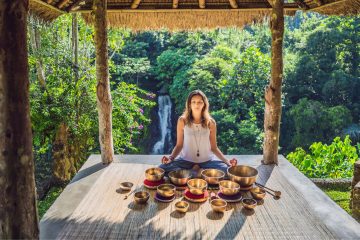
Life will always bring its share of challenges, but stress doesn’t have to define the way you live. In the middle of busy schedules, endless responsibilities, and the constant noise of the modern world, there is a quiet place you can return to at any moment: meditation.
Meditation isn’t about shutting off your mind or reaching some mystical state. It’s about something far simpler… and far more powerful. It’s about giving yourself permission to pause, breathe, and let your thoughts drift by without judgment. Over time, this simple practice creates profound changes: easing tension, softening anxiety, lowering blood pressure, and strengthening your ability to meet life’s demands with clarity and calm.
Science now confirms what ancient traditions have always known—just a few minutes of stillness each day can transform the way you experience stress. Meditation doesn’t remove life’s pressures, but it changes your relationship with them. Instead of feeling consumed, you begin to feel grounded. Instead of reacting, you learn to respond with intention.
This guide will walk you through how meditation works, why it’s such a powerful ally for stress relief, and practical ways to weave it into your everyday life—so you can create not just moments of calm, but a foundation of lasting resilience.
Table of Contents
- What Is Meditation And How Is It Connected To Stress Relief?
- The Importance Of Stress Relief In Today’s Fast-Paced Environment
- How Meditation Affects The Brain And Body For Stress Management
- Key Concepts Of Meditation Practices For Effective Stress Relief
- Integrating Meditation Into Daily Life For Lasting Benefits
Quick Summary
| Takeaway | Explanation |
|---|---|
| Meditation reduces stress effectively. | Scientifically validated, meditation lowers blood pressure, decreases anxiety, and improves emotional wellness. |
| Practice rewires your brain for resilience. | Regular meditation enhances emotional regulation and reduces reactivity to stress by changing brain activity patterns. |
| Build a consistent meditation routine. | Start with short sessions and integrate meditation into daily life for lasting benefits in managing stress. |
| Focus on present moment awareness. | Authentic meditation involves intentionally observing thoughts without judgment, fostering emotional balance and clarity. |
| Transform stress management into a lifestyle. | Viewing meditation as a flexible skill, rather than a rigid discipline, helps sustain long-term stress relief practices. |
What is Meditation and How is it Connected to Stress Relief?
Meditation represents a powerful mental practice designed to cultivate awareness, emotional balance, and inner calm. At its core, meditation for stress relief focuses on training the mind to redirect thoughts, reduce reactivity, and develop a more centered psychological state. Unlike popular misconceptions, meditation is not about emptying the mind completely but about creating a structured approach to observing thoughts without becoming entangled in them.
Understanding the Foundations of Meditation
Meditation emerges from ancient contemplative traditions worldwide, with roots tracing back thousands of years across various cultural and spiritual practices. Modern scientific research has transformed meditation from a purely spiritual practice into a validated stress management technique. According to research from the National Center for Complementary and Integrative Health, meditation can provide significant psychological and physiological benefits:
- Reduces blood pressure
- Decreases anxiety symptoms
- Improves emotional regulation
- Enhances overall mental well being
The Neurological Connection Between Meditation and Stress Reduction
When practicing meditation for stress relief, practitioners engage specific brain regions that directly counteract stress responses. The practice triggers the parasympathetic nervous system, effectively switching the body from a high-alert “fight or flight” mode to a relaxed “rest and digest” state. During meditation, brain activity shifts, cortisol levels decrease, and the amygdala – responsible for processing emotional responses – becomes less reactive.
By consistently practicing meditation, individuals can rewire neural pathways, developing greater emotional resilience and a more balanced approach to handling life’s challenges.
The practice is not about eliminating stress entirely but about changing one’s relationship with stressful experiences, creating space between external stimuli and internal reactions.
The Importance of Stress Relief in Today’s Fast-Paced Environment
Modern professional life has transformed into an intricate landscape of constant connectivity, demanding workplaces, and perpetual digital interruptions. This relentless environment creates unprecedented psychological pressures that significantly impact mental and physical health. Professionals increasingly find themselves navigating complex emotional terrains where stress has become more than an occasional challenge – it is now a persistent companion threatening overall well-being.
The Hidden Toll of Chronic Stress
Chronic stress is not merely an uncomfortable experience but a serious health risk with profound consequences. Research from the National Institutes of Health reveals that prolonged stress can trigger significant physiological responses that compromise health:
- Weakens immune system functionality
- Increases risk of cardiovascular diseases
- Accelerates cellular aging processes
- Disrupts hormonal balance
- Compromises cognitive performance
Psychological and Professional Implications
Persistent stress does not just affect personal health but also dramatically influences professional performance and workplace dynamics. High-stress environments lead to decreased productivity, increased burnout rates, and reduced creative problem-solving capabilities. Learn more about how to support your partner through stressful times and understand the broader implications of stress management.
Recognizing stress as a systemic issue rather than an individual weakness is crucial. Modern professionals must develop robust mental resilience strategies that allow them to maintain peak performance while protecting their psychological well-being. Stress relief is not a luxury but a fundamental requirement for sustainable personal and professional success in today’s complex world.
To help clarify how meditation and chronic stress impact mental and physical health, the table below summarizes key research-backed effects covered in the article.
| Aspect | Meditation Effects | Chronic Stress Effects |
|---|---|---|
| Mental Health | Decreases anxiety, improves emotional regulation, enhances overall well-being | Decreases cognitive performance, increases burnout and emotional exhaustion |
| Physical Health | Lowers blood pressure, reduces cortisol, supports immune function | Weakens immune system, increases risk of cardiovascular disease, disrupts hormones |
| Neurological Impact | Increases gray matter in prefrontal cortex, reduces amygdala reactivity, promotes neurogenesis | Accelerates cellular aging, impairs brain function |
| Stress Response Regulation | Activates parasympathetic nervous system (rest and digest), downregulates HPA axis | Triggers prolonged fight-or-flight state, high cortisol |
| Long-Term Outcome | Builds psychological resilience, fosters calm, supports adaptive coping | Compromises long-term well-being, increases risk of chronic illness |
How Meditation Affects the Brain and Body for Stress Management
Meditation is not merely a relaxation technique but a profound neurological intervention that fundamentally transforms how the brain processes stress. By engaging specific neural networks and neurochemical pathways, meditation offers a scientifically validated approach to rewiring our physiological stress responses and creating sustainable psychological resilience.
Neuroplastic Changes During Meditation
Research from the National Institutes of Health reveals that consistent meditation practice induces remarkable structural and functional brain changes. These neuroplastic transformations occur primarily in regions responsible for emotional regulation, attention, and stress management:
- Increases gray matter density in prefrontal cortex
- Reduces amygdala reactivity
- Enhances neural connectivity
- Improves neurogenesis in hippocampal regions
Learn more about different meditation techniques in our guide to Transcendental Meditation, which offers unique insights into specialized meditation practices.
Physiological Stress Response Modulation
Mediation directly impacts the body’s stress management systems by modulating the hypothalamic-pituitary-adrenal (HPA) axis. This complex neuroendocrine system controls cortisol production – the primary stress hormone. Through deliberate breathing and focused awareness, practitioners can effectively downregulate inflammatory responses and reduce physiological markers of chronic stress.
By creating a consistent meditation practice, individuals can develop a more adaptive and resilient nervous system.
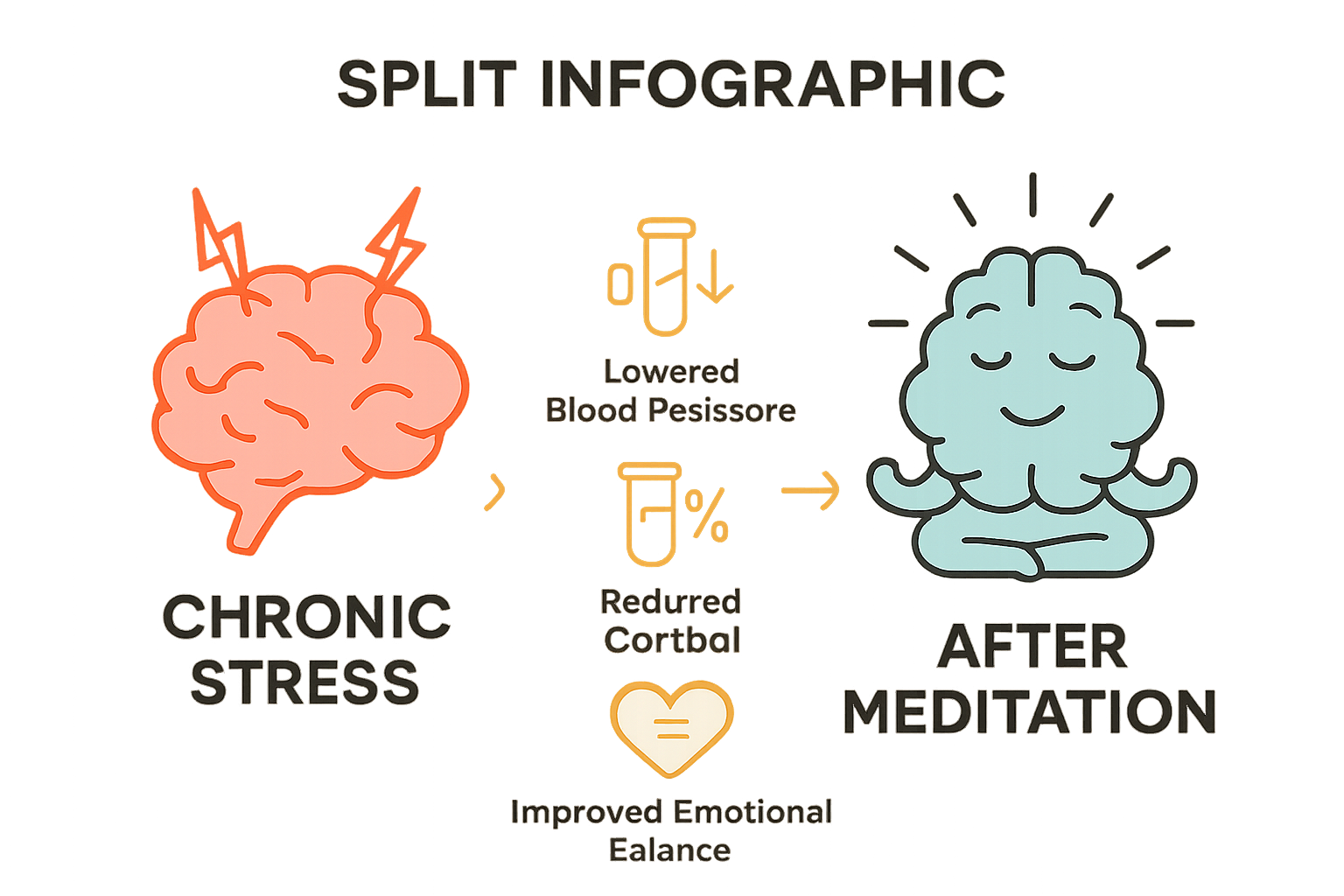 This neurological recalibration allows for more measured emotional responses, improved cognitive flexibility, and a greater capacity to navigate challenging environments without becoming overwhelmed.
Key Concepts of Meditation Practices for Effective Stress Relief
Meditation is a sophisticated mental practice that transcends simple relaxation, involving deliberate techniques designed to cultivate awareness, emotional equilibrium, and psychological resilience. Understanding its fundamental principles is crucial for developing an effective stress management approach that goes beyond temporary relief.
Core Philosophical Foundations
Research from the International Journal of Preventive Medicine highlights three primary philosophical elements that define authentic meditation practices:
- Present moment awareness
- Non-judgmental observation
- Intentional focused attention
These foundational concepts transform meditation from a passive experience into an active mental training strategy. For professionals seeking comprehensive stress management, we recommend exploring our Ten to Zen: 10-Day Meditation Course for Calm & Clarity to systematically develop these skills.
Attentional Regulation Techniques
Effective meditation practices center on strategic attentional control, where practitioners learn to redirect mental focus intentionally. This skill involves recognizing when thoughts wander and gently returning attention to a chosen point of concentration – whether breath, bodily sensations, or a specific mental image.
By consistently practicing these attentional regulation techniques, individuals can gradually rewire their neurological stress responses. The ability to create mental space between stimuli and reaction becomes a powerful tool for emotional regulation, allowing practitioners to respond to challenging situations with greater composure and clarity.
This table outlines the core philosophical foundations and attentional techniques used in meditation for effective stress relief, providing a clear reference to essential components discussed in the article.
| Key Concept | Description |
|---|---|
| Present Moment Awareness | Intentionally focusing on the current experience without distraction |
| Non-Judgmental Observation | Observing thoughts and sensations without labeling or reacting to them |
| Intentional Focused Attention | Deliberately directing and sustaining attention on a chosen object, such as breath or sensations |
| Attentional Regulation | Redirecting wandering thoughts back to a point of concentration |
| Emotional Equilibrium | Developing balanced responses to stressors through mindful observation |
Integrating Meditation into Daily Life for Lasting Benefits
Successful meditation practice is not about perfection but consistent integration into everyday routines. Transforming meditation from an occasional activity to a sustainable lifestyle choice requires strategic approach and realistic expectations. Professionals seeking genuine stress relief must view meditation as a skill to be cultivated gradually, not a quick fix.
Creating Sustainable Meditation Habits
Research from the National Institutes of Health emphasizes that consistent, even brief meditation practices yield substantial long-term benefits. Developing sustainable habits involves understanding personal rhythms and creating realistic frameworks:
- Start with micro-sessions of 5-10 minutes
- Choose consistent times aligned with natural daily transitions
- Select environments conducive to minimal distraction
- Track progress without judgment
If maintaining a practice on your own feels difficult, personalized meditation coaching can provide individual guidance, help you explore suitable techniques, and give you support as your practice develops.
For professionals looking to deepen their practice, our guide on incorporating daily meditation offers comprehensive strategies tailored to busy lifestyles.
Practical Integration Strategies
Meditation need not be a separate activity but can be seamlessly woven into existing routines. Professionals can transform mundane moments into mindfulness opportunities – during morning coffee, commute, between meetings, or before sleep. The key is viewing meditation as a fluid practice adaptable to individual lifestyles, not a rigid, time-consuming obligation.
By approaching meditation as a flexible, personalized skill rather than a strict discipline, practitioners can develop a sustainable practice that genuinely supports stress management and psychological resilience.
Ready to Transform Stress Into Calm With Expert Guidance?
This article explained how daily stressors drain your mental energy and why true relief means building sustainable resilience. You learned that meditation trains your mind to respond to challenges with clarity rather than overwhelm. If you are struggling to balance work demands or feel stuck navigating emotional hurdles, you do not have to do it alone. Discover practical support and real progress by connecting with experienced meditation teachers and wellness guides at Plentiful. Explore private sessions, group classes, or our Ten to Zen: 10-Day Meditation Course for Calm & Clarity to find the right fit for your unique needs.

Do not let chronic stress control your life. The right guidance can help you put these evidence-backed meditation techniques into daily practice so you can experience long-term calm and clarity. Visit Plentiful now to connect with your ideal holistic coach and start your personalized stress relief journey.
Frequently Asked Questions
What is meditation and how does it help with stress relief?
Meditation is a mental practice aimed at cultivating awareness and emotional balance. It helps with stress relief by training the mind to observe thoughts without becoming reactive, ultimately reducing anxiety and promoting inner calm.
How does meditation affect the brain during stress management?
Meditation influences brain activity by engaging regions that counteract stress responses, such as reducing amygdala reactivity and increasing gray matter density in areas responsible for emotional regulation and attention.
Can meditation be integrated into my daily routine for stress relief?
Yes, meditation can be easily integrated into daily life by starting with short sessions of 5-10 minutes, choosing consistent times, and converting ordinary moments into mindfulness practices, such as during commutes or coffee breaks.
What are some effective techniques for meditation focused on stress relief?
Effective meditation techniques include present moment awareness, non-judgmental observation, and attentional regulation, where practitioners learn to redirect focus intentionally, improving emotional regulation and resilience.
Recommended
- What Is Transcendental Meditation & How Does It Work?
- Time Management for Professionals: Unlock More Success and Freedom
- Understanding the Mind Body Connection for Greater Wellbeing
- Ten To Zen: 10-Day Meditation Course | Erin Meyer
- Energy Reset: Reiki & Guided Meditation | Jennifer Kanyumwa
- Sound Bath Meditation Package | Roxanna Rogalski
- Practicing Mindfulness Meditation for Stress Reduction • KIND STRANGER
- 10 Proven Techniques to Reduce Anxiety and Stress in Daily Life
Want your life to be more Plentiful?
Sign up for stories, experience info and launches, and event invites delivered right to your inbox.
Unsubscribe anytime.