







More people are seeking relief from stress and anxiety than ever before, and science is finally catching up to what many have felt for years. Surprisingly, the solution does not lie in another app or therapy session. Studies show that simply spending time in nature can lower stress hormones, reduce blood pressure, and even reset your brain, with structured nature therapies leading to real, measurable improvements in depression and anxiety. The most unexpected part is that these natural spaces are not just pretty backgrounds, they are active partners in healing your mind.
Table of Contents
- The Connection Between Nature and Well-Being
- Why Nature Matters for Mental Health
- How Nature Affects Our Brain and Emotions
- Key Concepts: Nature-Based Therapies and Practices
- Real-World Applications: Nature in Mental Health Treatment
Quick Summary
| Takeaway | Explanation |
|---|---|
| Nature reduces stress hormones. | Spending time in natural settings decreases cortisol levels, promoting emotional balance and mental clarity. |
| Natural environments enhance emotional regulation. | Engaging with nature helps individuals process emotions effectively, improving overall mental resilience. |
| Exposure to nature boosts cognitive function. | Interaction with green spaces leads to clearer thinking and reduced cognitive fatigue, benefiting mental performance. |
| Nature-based therapies offer transformative healing. | Structured nature therapy interventions can effectively address mental health issues like anxiety and depression. |
| Embrace nature for everyday well-being. | Integrating natural experiences into daily routines supports psychological health and emotional recovery. |
The Connection Between Nature and Well-Being
People have long sensed an intuitive connection between natural environments and mental restoration, but scientific research now provides compelling evidence about this profound relationship. Modern society often separates humans from natural settings, creating psychological distance that can negatively impact our mental health and emotional well-being.
Psychological Restoration through Natural Environments
Natural settings offer unique psychological benefits that urban environments cannot replicate. Research from the American Psychological Association demonstrates that exposure to green spaces reduces stress hormones, lowers blood pressure, and promotes emotional regulation. When individuals spend time in natural environments, their brain activity shifts from overstimulated states to more calm, focused conditions.
Key psychological restoration mechanisms include:
- Reduced cognitive fatigue
- Enhanced sensory experiences
- Increased opportunities for mindful reflection
Neurological and Physiological Responses
Our biological systems respond remarkably to natural environments. The human nervous system has evolved alongside natural landscapes, creating deep neurological connections that trigger relaxation responses. The U.S. Forest Service research indicates that interactions with natural settings activate parasympathetic nervous system functions, which promote healing, reduce anxiety, and support overall mental equilibrium.
The connection between nature and mental health goes beyond simple aesthetic appreciation. It represents a fundamental biological relationship where natural stimuli recalibrate our internal systems, helping us process emotional experiences more effectively and maintain psychological resilience.
The following table organizes the primary physiological and psychological responses to natural environments highlighted throughout the article, allowing for an at-a-glance comparison of their impacts on mental health.
| Response Type | Mechanism/Effect | Outcome/Benefit |
|---|---|---|
| Stress Hormone Reduction | Exposure to nature decreases cortisol levels | Lowers stress and anxiety |
| Parasympathetic Activation | Activates relaxation response in the nervous system | Promotes calm and healing |
| Emotional Regulation | Encourages effective processing of feelings | Builds emotional resilience |
| Cognitive Restoration | Reduces fatigue and improves mental focus | Enhances mental clarity |
| Neurotransmitter Release | Increases serotonin and dopamine during nature exposure | Generates positive mood states |
| Blood Pressure Reduction | Natural settings physiologically lower blood pressure | Supports physical and mental health |
Why Nature Matters for Mental Health
In an increasingly digital and urbanized world, understanding the critical role of natural environments in maintaining mental health has become more important than ever. The relationship between humans and nature extends far beyond aesthetic appreciation, representing a profound psychological and physiological connection that supports our overall well-being.
Psychological Recovery and Stress Reduction
Research from the National Library of Medicine reveals that natural environments act as powerful healing spaces for our mental state. When individuals are exposed to green spaces, forests, or natural landscapes, their brain experiences significant stress reduction mechanisms. These environments trigger neurological responses that help reset overstimulated cognitive systems.
Key psychological benefits of nature exposure include:
- Dramatic reduction in cortisol levels
- Enhanced emotional regulation
- Improved cognitive function and mental clarity
Biological Mechanisms of Nature’s Impact
Our bodies are inherently programmed to respond positively to natural stimuli. The intricate biological mechanisms triggered by nature exposure go beyond simple relaxation. They represent a complex interaction between our sensory systems and environmental signals that promote healing and emotional balance.
Interestingly, mental restoration through nature is not just a subjective experience but a scientifically measurable phenomenon. By exploring mindful practices with holistic practitioners, individuals can learn to intentionally leverage these natural healing processes.
The profound connection between nature and mental health underscores the importance of integrating natural experiences into our daily routines. By recognizing nature as a fundamental resource for psychological well-being, we can develop more holistic approaches to mental health maintenance and emotional resilience.
How Nature Affects Our Brain and Emotions
Nature is not merely a backdrop to human experience but a powerful neurological and emotional catalyst that profoundly influences our psychological landscape. The interaction between our brain and natural environments reveals intricate mechanisms of emotional regulation and cognitive restoration that are deeply rooted in our evolutionary history.
Neurochemical Responses to Natural Stimuli
Research from the Greater Good Science Center demonstrates that exposure to natural environments triggers a complex cascade of neurochemical reactions. When humans immerse themselves in green spaces, their brains release neurotransmitters associated with relaxation and positive emotional states. These neurological responses represent a sophisticated biological mechanism that helps recalibrate our stress response systems.
Key neurochemical changes during nature exposure include:
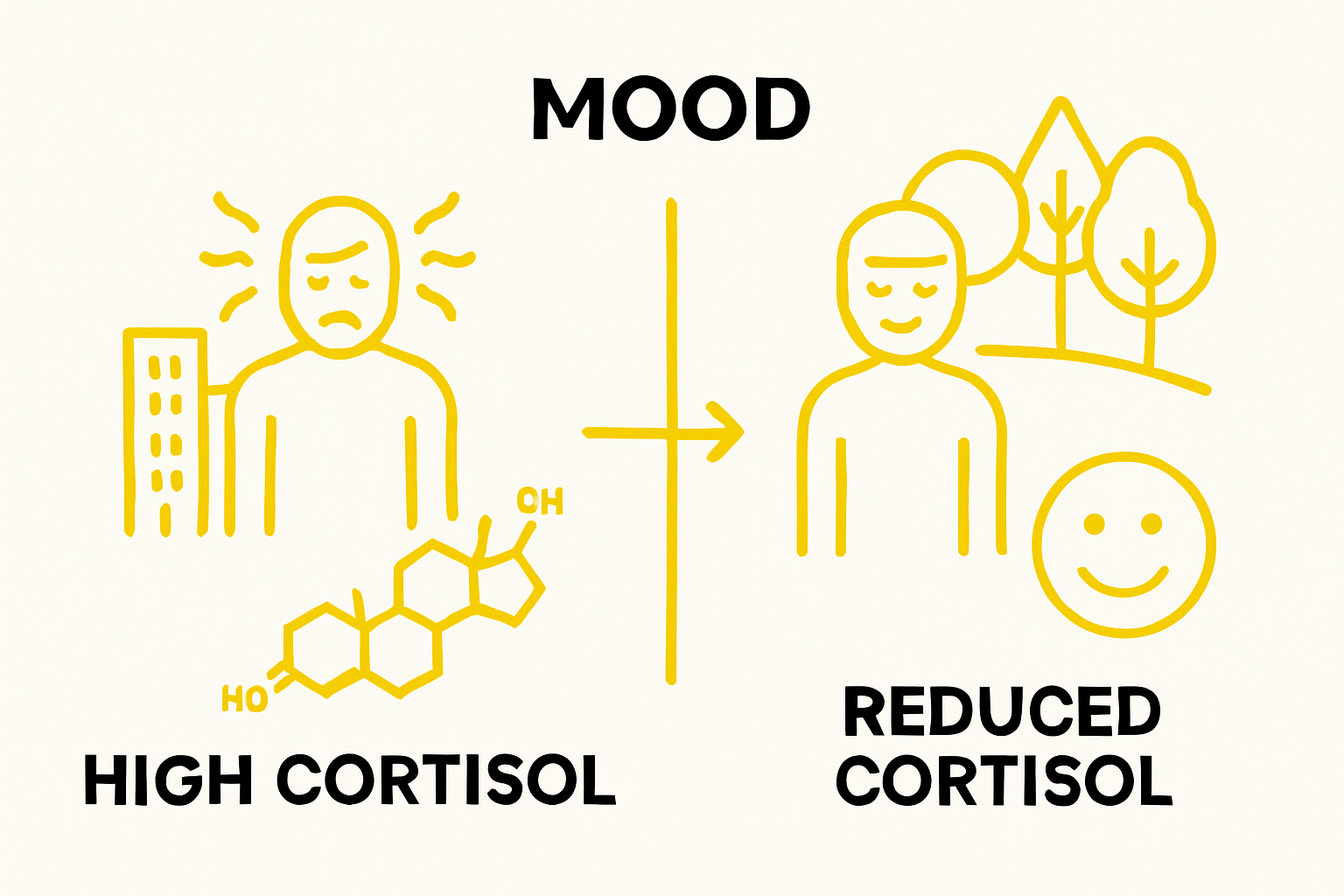
- Reduced cortisol production
- Increased serotonin levels
- Enhanced dopamine release
Emotional Regulation and Cognitive Restoration
Natural environments act as powerful emotional reset buttons for our cognitive systems. The brain interprets natural stimuli as inherently safe and restorative, creating neurological pathways that promote emotional equilibrium. By engaging with natural settings, individuals can effectively interrupt negative emotional cycles and enhance mental resilience.
For those interested in deepening their understanding of mindful interactions with natural environments, exploring holistic practices can provide additional insights into emotional healing.
Understanding these intricate brain-nature interactions reveals that our emotional well-being is fundamentally interconnected with our natural surroundings. By recognizing and intentionally cultivating these connections, we can develop more sophisticated approaches to mental health and emotional regulation.
Key Concepts: Nature-Based Therapies and Practices
Nature-based therapies represent a sophisticated approach to mental health that leverages our intrinsic connection with natural environments. These innovative therapeutic practices move beyond traditional clinical settings, recognizing the profound healing potential of intentional interactions with natural landscapes.
Theoretical Foundations of Nature Therapy
Research published in PubMed identifies four critical therapeutic dimensions in nature-based interventions. These dimensions illuminate how natural environments serve as transformative spaces for psychological healing and personal growth. The approach goes far beyond simple outdoor activities, representing a nuanced understanding of how environmental interactions can reshape our emotional and cognitive experiences.
Key therapeutic dimensions include:
- Natural environment as a growth-oriented setting
- Challenge as a mechanism for expanding self-perception
- Active role of nature in therapeutic processes
- Experiences of expansiveness and interconnectedness
Practical Applications and Therapeutic Modalities
Nature-based therapies encompass a wide range of structured and unstructured interventions designed to support mental health and emotional well-being. These practices might include guided forest bathing, horticultural therapy, wilderness therapy, and ecotherapy. For individuals seeking immersive experiences, exploring personal development retreats can provide transformative opportunities to engage with nature-based healing practices.
By recognizing nature as an active therapeutic partner, these approaches challenge conventional mental health treatment paradigms. They invite individuals to view natural environments not just as backdrop, but as dynamic, responsive systems capable of supporting profound psychological transformation.
Below is a table summarizing the key dimensions and practical modalities of nature-based therapies mentioned in the article, providing a clear overview of how these therapies work and their real-world applications.
| Therapeutic Dimension/Modality | Description |
|---|---|
| Growth-Oriented Setting | Natural environments support personal growth and psychological healing. |
| Challenge for Self-Perception | Activities in nature encourage self-reliance and expansion of personal boundaries. |
| Nature as Active Therapeutic Partner | Nature itself plays an interactive role in the healing process. |
| Expansiveness & Interconnectedness | Experiences in nature foster a sense of connection and well-being. |
| Guided Forest Bathing | Structured walks in forests to enhance relaxation and mindfulness. |
| Horticultural Therapy | Engaging with gardening to improve mental and emotional health. |
| Wilderness Therapy | Immersive programs in remote natural environments for deeper healing. |
| Ecotherapy | Broad therapeutic practices that leverage natural settings. |
Real-World Applications: Nature in Mental Health Treatment
The integration of nature into mental health treatment represents a groundbreaking approach that bridges scientific understanding with holistic healing practices. Mental health professionals are increasingly recognizing the tangible therapeutic potential of natural environments as complementary and sometimes alternative treatment modalities.
Empirical Evidence and Therapeutic Interventions
Research from recent meta-analyses demonstrates compelling evidence for nature-based interventions. Forest-based therapeutic approaches have shown statistically significant improvements in mental health outcomes, with substantial effect sizes that challenge traditional clinical treatment paradigms. These interventions are not passive experiences but structured therapeutic encounters designed to leverage the inherent healing properties of natural environments.
Key therapeutic nature interventions include:
- Guided forest therapy sessions
- Wilderness immersion programs
- Horticultural therapy workshops
- Ecotherapy group interventions
Targeted Mental Health Treatment Strategies
Nature-based treatments offer nuanced approaches for addressing specific mental health challenges. These interventions are particularly effective for conditions such as anxiety, depression, and stress-related disorders. By providing structured yet flexible therapeutic experiences, natural environments create opportunities for emotional processing, self-reflection, and psychological restoration.
For individuals seeking targeted mental health support, exploring specialized depression management programs can provide additional insights into integrative treatment approaches.
The emerging field of nature-based mental health treatment represents a paradigm shift. It acknowledges the profound interconnection between human psychological well-being and our fundamental relationship with natural environments, offering hope and healing through intentional, scientifically informed therapeutic practices.
Discover Expert Support for Your Nature-Inspired Well-Being
Are you searching for real relief from stress, burnout, or emotional heaviness caused by time spent away from natural environments? The article sheds light on how disconnection from nature impacts mental health, causing cognitive fatigue and emotional imbalance. The good news is you do not need to face these challenges alone. At Plentiful, our global community of holistic practitioners—including coaches, healers, and guides—can help you unlock mindful practices that restore your connection to nature and improve your well-being whether you are seeking personalized sessions for emotional recovery or practical steps to enhance your daily routine.

Take the first step toward a more balanced life. Explore how Plentiful offers 1:1 sessions, group workshops, and even transformative retreats specifically designed to help you reconnect with your inner self and the healing power of nature. If you are ready to deepen your mindful practice, start with a holistic session or discover personal development retreats that immerse you in restorative natural environments. Your path to better mental health and emotional harmony starts here—discover support tailored for you today.
Frequently Asked Questions
What are the psychological benefits of spending time in nature?
Spending time in nature has been shown to reduce stress hormones, lower blood pressure, and enhance emotional regulation, leading to improved mental well-being.
How does nature exposure affect brain activity?
Nature exposure shifts brain activity from overstimulated states to calmer, more focused conditions, promoting better cognitive function and mental clarity.
What are nature-based therapies?
Nature-based therapies include structured interventions like forest bathing, horticultural therapy, and ecotherapy that leverage the healing properties of natural environments to support mental health.
How can I incorporate nature into my daily routine for mental health benefits?
You can incorporate nature into your daily life by taking walks in green spaces, practicing mindfulness outdoors, or engaging with gardening and outdoor activities to enhance your psychological well-being.
Recommended
- Real & Present with Eric J Kort MD
- Mindful With Dee Hennessy
- Holistic Health | Kinesiology for Deep Healing & Transformation | Helen Hansen
- Release Your Depression | Austin Kory
- Incredible Adventure Travel | Global Shenanigans
- European Nature & Yoga Retreats | The Wild Times
Want your life to be more Plentiful?
Sign up for stories, experience info and launches, and event invites delivered right to your inbox.
Unsubscribe anytime.


