







I didn’t always understand the power of gratitude. For years, I thought it was just a polite “thank you” at the dinner table or something you scribble in a holiday card. But when life threw me into moments of stress, burnout, and even loneliness, I discovered something surprising: gratitude wasn’t a small courtesy… it was a lifeline.
Science now backs up what I felt firsthand. Gratitude doesn’t just make you kinder; it rewires your brain, strengthens your relationships, and even shields you from stress and depression. Harvard researchers found that practicing gratitude consistently boosts happiness, reduces anxiety, and changes how your brain processes experiences.
The truth is, gratitude isn’t fluffy or “nice-to-have.” It’s one of the most practical, powerful tools we have to transform how we see ourselves, others, and the world around us. And once you start practicing it intentionally, you’ll never look at life the same way again.
Table of Contents
- What Is Gratitude And Its Emotional Significance?
- Why The Power Of Gratitude Matters In Daily Life
- How Gratitude Influences Mental Health And Well-Being
- Key Concepts And Theories Behind The Power Of Gratitude
- Real-World Applications Of Gratitude For Professionals
Quick Summary
| Takeaway | Explanation |
|---|---|
| Gratitude improves mental health | Practicing gratitude can reduce symptoms of depression and anxiety, leading to better overall mental well-being. |
| Gratitude strengthens relationships | Expressing appreciation enhances communication, empathy, and mutual respect in personal and professional connections. |
| Practicing gratitude fosters resilience | Regular acknowledgment of positive experiences helps create a mental buffer against stress and promotes emotional stability. |
| Gratitude enhances workplace performance | Recognizing team contributions improves job satisfaction, reduces burnout, and fosters a collaborative work culture. |
| Gratitude rewires the brain | Consistent appreciation triggers neurological changes that promote positive thought patterns and emotional flexibility. |
What is Gratitude and Its Emotional Significance?
Gratitude represents a profound emotional experience that transcends simple thankfulness. At its core, gratitude is a deep appreciation for something meaningful that has positively impacted an individual’s life. Learn more about emotional growth practices that can enhance personal well-being.
The Psychological Landscape of Gratitude
According to Harvard Medical School, gratitude is more than a momentary feeling of appreciation. It is a complex emotional state that connects individuals to something larger than themselves. This emotional experience triggers several psychological mechanisms that profoundly influence mental health and interpersonal relationships.
Key components of gratitude include:
- Recognizing the positive contributions of others
- Acknowledging unexpected kindness or support
- Feeling a genuine sense of thankfulness beyond social obligation
Emotional and Social Dimensions
Gratitude functions as a powerful social emotion that strengthens human connections. It serves multiple psychological purposes by:
- Reducing negative emotions like envy and resentment
- Promoting prosocial behavior and empathy
- Enhancing overall psychological well-being
Research suggests that practicing gratitude can fundamentally reshape how individuals perceive their experiences. By shifting focus from what is lacking to what has been received, people can cultivate a more positive and resilient emotional landscape. This emotional reframing helps individuals develop healthier perspectives, manage stress more effectively, and build more meaningful relationships with others.
The power of gratitude lies not just in momentary appreciation but in its ability to transform perspective, foster emotional resilience, and create deeper human connections.
To clarify the core emotional and social impacts of gratitude described in this section, the following table summarizes its main functions and benefits.
| Aspect | Description |
|---|---|
| Reduces negative emotions | Helps lessen envy and resentment, encouraging healthier emotional states |
| Promotes prosocial behavior | Increases empathy and willingness to support others |
| Enhances psychological well-being | Supports overall emotional health and a positive outlook |
| Strengthens human connections | Builds deeper, more meaningful relationships |
| Shifts focus to positivity | Encourages acknowledgment of positive experiences and shifts perception from lack to abundance |
Why the Power of Gratitude Matters in Daily Life
Gratitude is not merely an abstract concept but a transformative practice that directly impacts our daily experiences and overall quality of life. Discover practical gratitude techniques that can help you navigate life’s challenges with resilience and positivity.
Mental Health and Emotional Resilience
According to Harvard Health Publishing, gratitude plays a crucial role in maintaining mental well-being. By consistently acknowledging positive aspects of life, individuals can effectively counteract stress, anxiety, and negative thought patterns. This practice helps rewire the brain to focus on constructive experiences, creating a more optimistic and balanced emotional landscape.
Key benefits of practicing gratitude include:
- Reducing symptoms of depression
- Increasing overall psychological flexibility
- Developing a more positive self-perception
- Enhancing emotional regulation skills
Interpersonal Relationships and Social Dynamics
Gratitude serves as a powerful catalyst for strengthening human connections. When individuals express genuine appreciation, they create a positive feedback loop that nurtures relationships and builds social trust. Recognizing and acknowledging the contributions of others fosters empathy, understanding, and mutual respect.
Practical ways gratitude impacts social interactions:
- Improving communication and emotional intelligence
- Creating deeper and more meaningful connections
- Reducing interpersonal conflicts
- Promoting a supportive and collaborative environment
By integrating gratitude into daily life, individuals can transform their personal and professional relationships, cultivate emotional resilience, and develop a more fulfilling approach to navigating life’s complexities.
How Gratitude Influences Mental Health and Well-Being
Gratitude operates as a powerful psychological mechanism that profoundly transforms mental health and emotional resilience. Explore holistic well-being strategies that can help you cultivate a more positive mindset.
Neurological Mechanisms of Gratitude
According to Harvard Medical School, gratitude triggers significant neurological changes that directly impact mental well-being. When individuals consistently practice appreciation, their brains undergo neuroplastic modifications that reshape thought patterns and emotional responses.
Key neurological impacts of gratitude include:
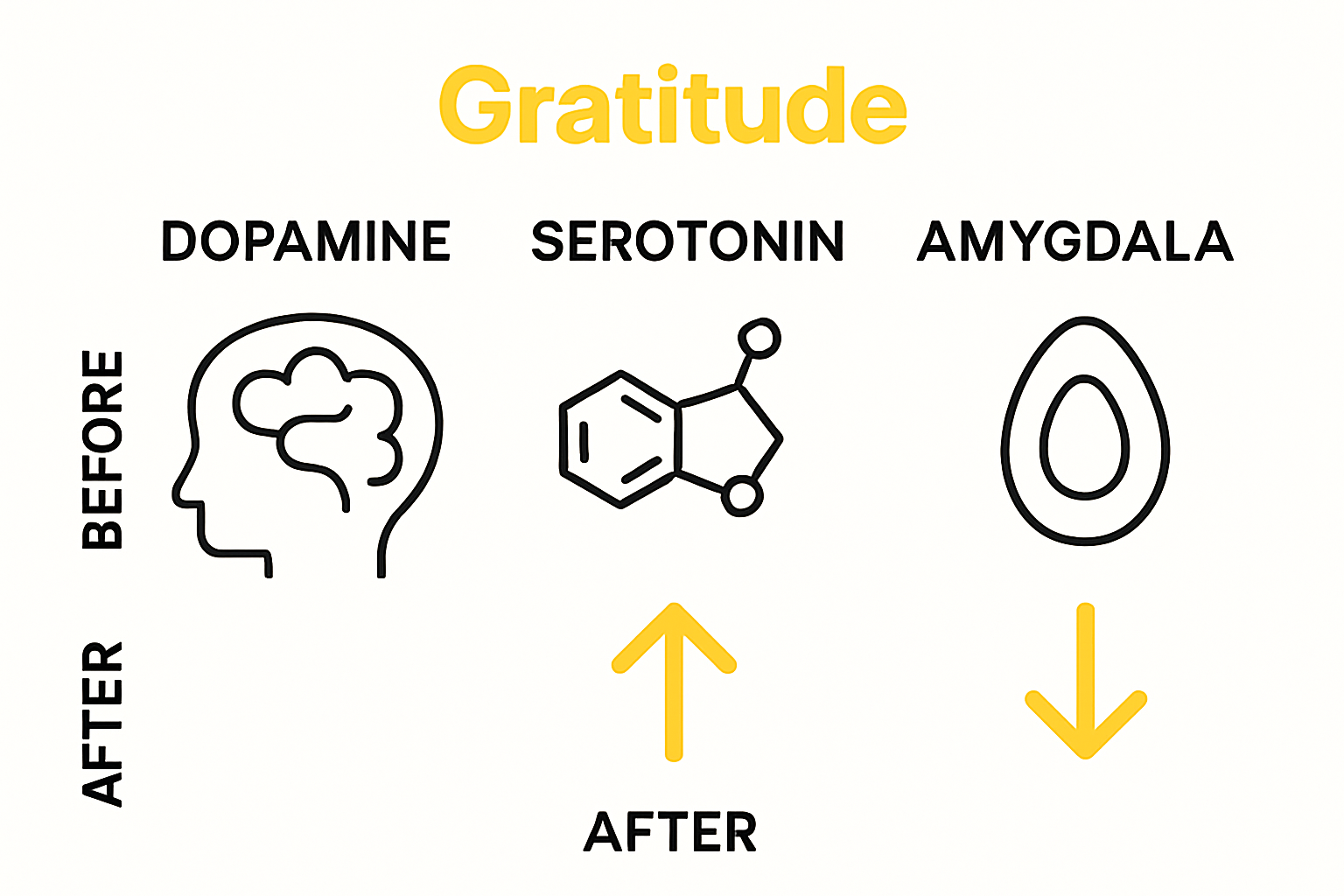
- Reducing activity in the amygdala, which manages stress responses
- Increasing dopamine and serotonin production
- Enhancing neural pathways associated with positive thinking
- Strengthening cognitive flexibility
Psychological Resilience and Emotional Regulation
Gratitude serves as a fundamental mechanism for developing psychological resilience. By intentionally focusing on positive experiences and acknowledging supportive relationships, individuals can create a mental buffer against stress, anxiety, and depressive symptoms. This practice helps reframe challenges as opportunities for growth and learning.
Emotional regulation benefits of gratitude encompass:
- Developing more balanced emotional responses
- Decreasing rumination on negative experiences
- Improving overall mood stability
- Creating a more optimistic personal narrative
Through consistent practice, gratitude transforms from a simple emotional response into a sophisticated psychological tool for maintaining mental health, enabling individuals to navigate life’s complexities with greater ease and emotional intelligence.
Key Concepts and Theories Behind the Power of Gratitude
Gratitude represents a complex psychological phenomenon rooted in scientific understanding and philosophical thought. Explore transformative personal growth strategies that can help you unlock deeper insights into emotional well-being.
Psychological Foundations of Gratitude
According to research published in the National Institutes of Health, gratitude is more than a momentary emotional response. It is a sophisticated psychological construct that encompasses individual differences in recognizing and appreciating positive aspects of life.
Key psychological perspectives on gratitude include:
- Viewing gratitude as a habitual cognitive orientation
- Understanding gratitude as a mechanism for psychological resilience
- Recognizing gratitude as a learned emotional response
- Identifying gratitude’s role in subjective well-being
Neurobiological and Cognitive Theories
Gratitude operates through intricate neurobiological mechanisms that transform how individuals process experiences. This practice influences cognitive schemas, emotional regulation, and neurochemical responses. By consistently focusing on positive aspects, individuals can rewire neural pathways, promoting more optimistic thinking patterns and emotional flexibility.
Cognitive mechanisms underlying gratitude involve:
- Reframing negative experiences through positive interpretation
- Developing schematic biases toward appreciative thinking
- Interrupting negative rumination cycles
- Enhancing psychological adaptation strategies
Through systematic exploration, gratitude emerges as a powerful psychological tool that transcends simple thankfulness, offering a comprehensive approach to understanding human emotional experience and personal growth.
This table provides a clear overview of the psychological and neurobiological theories discussed, illustrating how each conceptual perspective explains gratitude’s influence on mental well-being.
| Theory Type | Key Perspectives | Summary Explanation |
|---|---|---|
| Psychological | Gratitude as a cognitive orientation, learned response, or resilience tool | Frames gratitude as a habitual mindset that supports well-being |
| Neurobiological | Neuroplastic changes, cognitive reframing, emotional regulation | Emphasizes brain changes that promote positive emotional states |
| Cognitive | Schematic biases, interruption of negative ruminations, adaptation | Focuses on changing thought patterns to enhance mental health |
Real-World Applications of Gratitude for Professionals
Professionals across diverse industries are discovering the transformative potential of gratitude as a strategic tool for personal and organizational success. Unlock your professional potential through mindful practices that enhance workplace performance and personal growth.
Workplace Performance and Team Dynamics
According to research published in the National Institutes of Health, gratitude practices significantly impact professional environments by improving job satisfaction, reducing stress, and fostering stronger interpersonal connections. By intentionally acknowledging contributions and expressing appreciation, professionals can create more collaborative and supportive work cultures.
Key professional applications of gratitude include:
- Enhancing team cohesion and communication
- Reducing workplace stress and burnout
- Improving employee engagement and motivation
- Creating a positive organizational culture
Leadership and Personal Development
Gratitude serves as a powerful leadership strategy that transcends traditional management approaches. Professionals who integrate gratitude into their leadership style demonstrate increased emotional intelligence, better conflict resolution skills, and a more nuanced understanding of team dynamics. This approach transforms workplace interactions from transactional to meaningful, fostering an environment of mutual respect and continuous growth.
Strategic gratitude practices for professional development encompass:
- Recognizing and validating team members’ contributions
- Developing more empathetic communication strategies
- Building resilience during challenging professional scenarios
- Cultivating a growth mindset through appreciative thinking
By systematically incorporating gratitude, professionals can unlock new dimensions of personal effectiveness, leadership potential, and organizational success.
Take Gratitude Practice Beyond the Page to Real Life Transformation
Are you realizing that understanding gratitude is just the beginning but actual change comes from deeply integrating it into your daily routine? The article highlighted how gratitude builds emotional resilience, reduces stress, and rewires your mindset, but making these benefits last on your own can feel overwhelming. If you want consistent support, new techniques, or expert guidance to make gratitude a powerful force in your life, there is a proven next step.

Discover how global coaches and healers at Plentiful offer tailored support to help you truly unlock the emotional power of gratitude. Choose from private sessions, group workshops, or participate in interactive classes guided by professionals who understand gratitude as a daily mindset, not just an emotion. If you are ready to turn what you’ve learned into lasting personal and professional growth, explore holistic well-being solutions now. Invest in yourself today and see gratitude transform every part of your life.
Frequently Asked Questions
What is gratitude and why is it significant?
Gratitude is a profound emotional experience characterized by deep appreciation for positive contributions in one’s life. It plays a vital role in enhancing emotional well-being and fostering stronger interpersonal relationships.
How does practicing gratitude affect mental health?
Practicing gratitude helps counteract stress, anxiety, and depression by shifting focus from negative thoughts to positive experiences. It can lead to increased emotional resilience and improved overall well-being.
What are the social benefits of expressing gratitude?
Expressing gratitude strengthens human connections, fosters empathy, and promotes a supportive environment, ultimately leading to better communication and deeper, more meaningful relationships.
How can gratitude be incorporated into daily life?
Gratitude can be integrated into daily routines through practices such as keeping a gratitude journal, expressing appreciation to others verbally, or reflecting on positive experiences at the end of each day.
Recommended
- How to Practice Gratitude And Unlock More Meaning and Success
- 8 Spiritual Journaling Prompts for Deeper Self-Reflection
- A Lack Of Motivation Can Impact Desires, Impulses & Happiness
- Discover the Importance of Laughter for a Fulfilling Life
- Conscious Breathwork Journey | Matthew Magaña
- Self-Love And Compassion Soul Activations | Lawrie Wallace
Want your life to be more Plentiful?
Sign up for stories, experience info and launches, and event invites delivered right to your inbox.
Unsubscribe anytime.