






If you’ve ever felt like stress was living rent-free in your body, you’re not alone. More and more people are turning to Reiki healing, an energy practice that looks mysterious on the outside, but feels surprisingly grounding and restorative once you’ve tried it. In fact, according to the National Center for Complementary and Integrative Health, over 1.2 million adults in the U.S. receive Reiki each year.
The real surprise? Reiki isn’t only about spirituality or esoteric beliefs. For many, it’s about something much simpler: the relief that comes from a gentle touch, the quiet calm that settles in a racing mind, and the sense of balance when your body finally exhales. Reiki healers aren’t magicians, but guides who help unlock your body’s natural ability to restore itself – physically, emotionally, and spiritually.
Whether you’re curious about how it works, wondering what to expect in a session, or considering learning the practice yourself, this guide unpacks the role of a Reiki healer in modern life. By the end, you’ll see why this centuries-old practice is becoming a trusted ally for people navigating the chaos of today’s world.
Table of Contents
- Defining A Reiki Healer: The Basics Of Reiki Practice
- The Importance Of Reiki Healing: Addressing Mind, Body, And Spirit
- How Reiki Healing Works: The Flow Of Energy
- Key Concepts Of Reiki: Chakras, Energy Lines, And Healing Techniques
- Reiki In Everyday Life: Practical Applications And Benefits
Quick Summary
| Takeaway | Explanation |
|---|---|
| Reiki promotes holistic wellness | Reiki healing addresses mental, physical, and spiritual health, fostering overall balance. |
| Training is essential for practitioners | Becoming a Reiki healer requires extensive training and certification across multiple levels of mastery. |
| Energetic blockages can impact health | Reiki aims to identify and resolve energy blockages that contribute to stress and discomfort. |
| Daily practices enhance emotional well-being | Regular Reiki techniques can help manage stress and improve personal emotional balance. |
| Reiki supports traditional medical treatments | While not a substitute, Reiki can complement medical approaches to enhance overall health outcomes. |
Defining a Reiki Healer: The Basics of Reiki Practice
A Reiki healer is a trained energy practitioner who uses a specialized hands-on healing technique to promote wellness and balance within an individual’s body and mind. Originating in Japan, Reiki represents a holistic approach to healing that focuses on channeling universal life energy to support physical, emotional, and spiritual restoration.
The Fundamental Principles of Reiki Energy Work
Reiki healing operates on the core belief that every living being possesses an inherent life force energy that can be manipulated and balanced through intentional touch and energy transfer. According to research from the National Center for Complementary and Integrative Health, Reiki practitioners aim to facilitate the body’s natural healing response by gently placing their hands on or near a client’s body. The primary goal is not to cure specific medical conditions but to promote relaxation, reduce stress, and support overall well-being.
Key principles of Reiki practice include:
- Respecting the body’s natural healing capabilities
- Maintaining an open and compassionate energy flow
- Creating a non-invasive, gentle healing environment
Training and Qualifications of a Reiki Healer
Becoming a Reiki healer requires dedicated training and certification through multiple levels of instruction. Practitioners typically progress through different levels of mastery, each representing deeper understanding and more advanced energy manipulation techniques. Learn more about finding authentic Reiki practitioners who can support your healing journey.
Qualified Reiki healers undergo extensive training that includes:
- Learning specific hand placement techniques
- Understanding energy meridians and chakra systems
- Developing intuitive energy sensing skills
- Practicing ethical guidelines for energy work
While Reiki is not a substitute for traditional medical treatment, many individuals seek out Reiki healers as a complementary approach to support their overall wellness and stress management strategies.
Below is a table summarizing the levels of Reiki training and the core qualifications required for practitioners, helping clarify the pathway to becoming a Reiki healer.
| Reiki Training Level | Core Focus | Qualifications Earned |
|---|---|---|
| Reiki Level I | Basic hand placements, self-healing introduction | Ability to perform Reiki on self and others |
| Reiki Level II | Advanced techniques, distant healing | Enhanced energy transmission, ethical guidelines |
| Reiki Level III (Master) | Mastery of Reiki symbols, teaching capability | Certified ability to teach and attune others |
| Additional Practice | Intuitive energy sensing and ethical practice focus | Deepened practitioner understanding |
The Importance of Reiki Healing: Addressing Mind, Body, and Spirit
Reiki healing represents a holistic approach to wellness that goes far beyond traditional medical treatments, focusing on the intricate connection between mental, physical, and spiritual well-being. By addressing the entire human experience, Reiki offers a comprehensive method of supporting an individual’s overall health and emotional balance.
Holistic Healing Through Energy Restoration
At its core, Reiki healing recognizes that emotional and spiritual imbalances can manifest as physical symptoms. According to research published by the National Institutes of Health, this therapeutic approach aims to restore harmony by addressing underlying energy blockages that may contribute to stress, anxiety, and physical discomfort.
Key aspects of holistic healing through Reiki include:
- Releasing emotional and energetic tensions
- Supporting the body’s natural healing mechanisms
- Creating a state of deep relaxation and inner peace
Comprehensive Wellness Beyond Physical Symptoms
Reiki healing transcends traditional treatment approaches by considering the interconnected nature of human experience. Discover how Reiki meditation can transform your healing journey and provide a more nuanced approach to personal wellness.
Benefits of this comprehensive healing approach encompass:
- Reducing chronic stress and anxiety
- Improving emotional resilience
- Enhancing overall energy levels
- Promoting deep emotional and spiritual introspection
While Reiki is not a replacement for medical treatment, it offers a powerful complementary approach that empowers individuals to engage actively in their personal healing and wellness journey. By addressing the mind, body, and spirit simultaneously, Reiki healers provide a unique pathway to holistic restoration and personal transformation.
How Reiki Healing Works: The Flow of Energy
Reiki healing is a unique energetic practice that operates on the fundamental principle of universal life energy flowing through the human body. Unlike traditional medical treatments, Reiki focuses on manipulating and balancing the subtle energy systems that interconnect physical, emotional, and spiritual experiences.
Understanding Energy Channels and Transmission
According to research from the National Institutes of Health, Reiki practitioners believe in an invisible energy network that can be influenced through intentional touch and focused intention. The process involves channeling universal life energy through specific hand placements, creating a therapeutic connection designed to restore balance and promote natural healing mechanisms.
Key energy transmission principles include:
- Maintaining an open and unobstructed energy pathway
- Sensing and responding to subtle energetic imbalances
- Facilitating gentle, non invasive energy transfer
Why Online Reiki Sessions Work (and Sometimes Even Better)
Many people are surprised to learn that Reiki can be just as effective virtually as it is in person. Because Reiki works with energy—which isn’t limited by physical distance—practitioners can facilitate powerful sessions over Zoom or Google Meet that feel every bit as calming and restorative as those held face-to-face. In fact, many clients report that virtual sessions allow them to relax more deeply since they’re already in the comfort of their own home, free from the stress of commuting or rushing to an appointment. The experience is still highly personalized, with the practitioner guiding you through the session, sensing and directing energy, and helping you release tension and restore balance. If you’ve ever worried that virtual Reiki might be “less real” than in-person, rest assured: the healing energy transcends the screen, meeting you exactly where you are.
The Mechanics of Energetic Healing
Reiki healing operates through a delicate interplay of intentional touch, focused mental state, and energetic attunement. Explore the transformative potential of Reiki meditation techniques to understand how practitioners create meaningful energetic connections.
The energetic healing process involves:
- Identifying and addressing energetic blockages
- Supporting the body’s natural regenerative capabilities
- Promoting holistic wellness through subtle energy manipulation
While scientific validation of energy transfer remains complex, many individuals report significant improvements in stress reduction, emotional clarity, and overall well-being through consistent Reiki practice. The approach emphasizes personal healing potential and the intricate connections between mental, physical, and spiritual dimensions of human experience.
Key Concepts of Reiki: Chakras, Energy Lines, and Healing Techniques
Reiki healing is a sophisticated energetic practice rooted in understanding the intricate systems of human energy flow. By recognizing the interconnected nature of physical, emotional, and spiritual experiences, Reiki practitioners develop specialized techniques to restore balance and promote holistic wellness.
Understanding the Chakra System
Chakras represent complex energy centers located throughout the human body, each corresponding to specific physiological and psychological functions. These energy wheels are believed to regulate the flow of universal life force, influencing an individual’s overall health and emotional state.
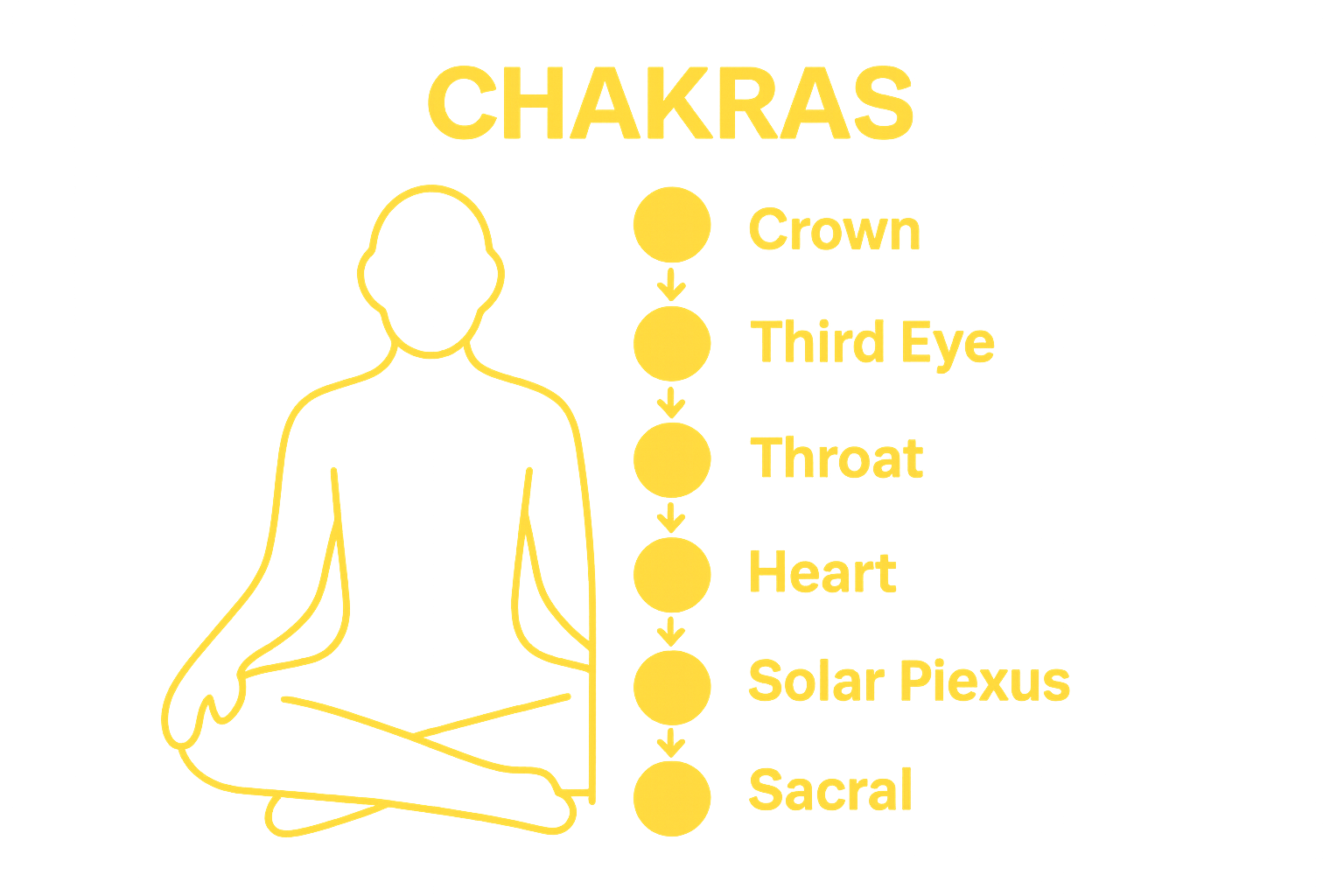
When these energy centers become blocked or imbalanced, Reiki practitioners work to realign and restore their natural energetic rhythm.
Key characteristics of the chakra system include:
- Seven primary energy centers spanning from the base of the spine to the crown of the head
- Each chakra associated with unique emotional and physical attributes
- Interconnected network that influences overall energetic harmony
This table outlines the seven major chakras in the human body, their primary locations, and their associated emotional and physical attributes, aiding in understanding Reiki’s energy focus.
| Chakra Name | Location | Associated Attributes |
|---|---|---|
| Root Chakra | Base of spine | Stability, grounding, basic needs |
| Sacral Chakra | Below navel | Creativity, sexuality, emotions |
| Solar Plexus | Upper abdomen | Confidence, personal power |
| Heart Chakra | Center of chest | Love, compassion, emotional healing |
| Throat Chakra | Throat | Communication, self-expression |
| Third Eye Chakra | Forehead, between eyebrows | Intuition, insight, imagination |
| Crown Chakra | Top of head | Spirituality, consciousness |
Energy Transmission and Healing Techniques
Reiki healing employs multiple sophisticated techniques for energy transmission and restoration. Discover the profound benefits of energy healing approaches that go beyond traditional therapeutic methods.
Fundamental Reiki healing techniques involve:
- Precise hand placements designed to channel universal energy
- Intentional mental focus and visualization
- Gentle, non invasive touch to stimulate energetic pathways
Practitioners develop refined skills to sense and respond to subtle energetic fluctuations, creating a deeply personalized healing experience that addresses each individual’s unique energetic landscape. The approach emphasizes the body’s innate capacity for self healing and restoration, viewing wellness as a dynamic, interconnected process.
Reiki in Everyday Life: Practical Applications and Benefits
Reiki has evolved from a specialized healing practice to a versatile approach for managing stress, promoting emotional balance, and supporting overall wellness. By integrating Reiki techniques into daily routines, individuals can develop a proactive approach to maintaining physical, mental, and emotional equilibrium.
Stress Management and Emotional Well-being
According to research from the National Center for Complementary and Integrative Health, Reiki offers a powerful tool for reducing anxiety and managing emotional challenges. The practice provides a non invasive method for individuals to reconnect with their inner resources, creating space for relaxation and self reflection.
Practical applications for emotional support include:
- Daily self treatment techniques
- Meditation and mindfulness integration
- Creating personal energy reset rituals
Health and Wellness Support
Reiki extends beyond stress reduction, offering potential benefits for individuals managing various health challenges. Learn how meditation techniques can enhance your healing journey and provide comprehensive wellness support.
Key health and wellness benefits encompass:
- Supporting pain management strategies
- Enhancing sleep quality
- Boosting immune system resilience
- Promoting faster recovery from physical and emotional strain
By approaching Reiki as a holistic practice, individuals can develop a personalized wellness strategy that addresses the complex interconnections between physical sensations, emotional experiences, and energetic balance.
The approach emphasizes individual empowerment and natural healing potential, encouraging a proactive stance toward personal well-being.
Start Your Reiki Healing Journey with Plentiful
Are you searching for real balance and holistic wellness after reading about the essential role of Reiki healers and their methods for restoring mind, body, and spirit connection? If you are looking to relieve stress or unblock your energy channels but are unsure where to begin, you are not alone. Many people feel stuck when trying to find a trusted Reiki healer who really understands their needs. At Plentiful, you can connect with skilled Reiki practitioners and explore a wide range of holistic well-being services tailored just for you. Whether you want enriching 1:1 Reiki sessions, supportive group workshops, or personal growth resources, our experienced guides make it easy to take control of your energy healing and emotional health.

Ready to feel lighter and more at ease? Visit Plentiful today. Browse, book, or start a conversation with one of our expert Reiki healers. Your journey toward deep relaxation and renewed energy can start right now. Spaces fill quickly so act today to secure your personalized session and bring lasting balance to your life.
Frequently Asked Questions
What is a Reiki healer?
A Reiki healer is a trained practitioner who uses a hands-on healing technique to channel universal life energy for promoting wellness and balance in a person’s body and mind.
How does Reiki healing work?
Reiki healing works by channeling universal life energy through the practitioner’s hands to restore balance and facilitate the body’s natural healing processes. It emphasizes the interconnectedness of physical, emotional, and spiritual well-being.
What are the benefits of seeing a Reiki healer?
Benefits of seeing a Reiki healer include reduced stress and anxiety, improved emotional resilience, support for pain management, enhanced sleep quality, and promoting overall emotional and spiritual well-being.
Is Reiki a substitute for medical treatment?
No, Reiki is not a substitute for traditional medical treatment. It is considered a complementary approach to wellness, supporting individuals alongside conventional medical care.
Is Reiki effective online?
Yes. Reiki energy is not bound by physical distance, which means virtual sessions over Zoom or Google Meet are just as effective as in-person ones. Many clients even find they relax more deeply at home, without the stress of travel or appointments. The practitioner still guides you through the process, senses and directs energy, and supports your healing in real time. The benefits—stress relief, emotional balance, and renewed energy—translate seamlessly through the screen.
Recommended
- 4 Reasons Why You Need Reiki Meditation for Healing
- Find the Best Reiki Practitioners Near You for Stress Relief
- Radiant Reiki Renewal | Gabby’s Zen Space
- Boshko’s Reiki & Sound Sanctuary | Boshko Boskovic
- Mujen Community | Jennifer Kanyumwa
- Healing With Matt | Matthew Magaña
- Spatial Reiki Healing | Wild Woman Yoga & Coaching
Want your life to be more Plentiful?
Sign up for stories, experience info and launches, and event invites delivered right to your inbox.
Unsubscribe anytime.