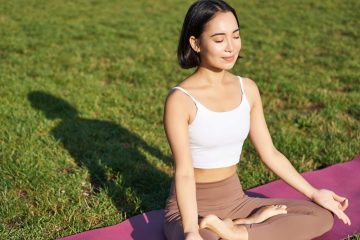
Meditation sounds simple enough: sit down, become quiet, and pay attention.
Then you try it.
Your thoughts speed up. Your body refuses to settle. You wonder whether you are breathing correctly, choosing the wrong technique, or somehow failing at something that is supposed to make you calmer.
Meditation coaching provides personalized guidance to help you find practices that suit you, understand what happens while you meditate, and develop a routine you can realistically maintain.
Unlike an app or recorded course, meditation coaching gives you access to a real person who can listen, answer questions, adapt the practice, and help you move through the places where you usually get stuck.
What Is Meditation Coaching?
Meditation coaching is one-to-one or small-group guidance designed to help you learn, personalize, and sustain a meditation practice.
A meditation coach or teacher may introduce you to different techniques, guide you through live practices, help you understand your reactions, and suggest ways to incorporate meditation into everyday life.
The aim is not to become spectacularly good at sitting still.
It is to discover what helps you become more present, aware, and connected to yourself.
Meditation coaching is not a universally regulated profession, so qualifications, training, and approaches can vary considerably. Some coaches focus primarily on mindfulness. Others may incorporate breathwork, visualization, movement, spiritual traditions, or broader wellbeing practices.
That makes finding the right person especially important.
What Does a Meditation Coach Do?
A meditation coach helps you develop a practice around your needs, circumstances, and experience level.
Depending on the practitioner, this may involve:
- Discussing what you would like meditation to support
- Exploring your previous experience with meditation
- Introducing different meditation techniques
- Guiding you through a practice in real time
- Adjusting the practice when something feels uncomfortable or ineffective
- Helping you work with distraction, restlessness, or self-judgment
- Suggesting a realistic routine between sessions
- Providing feedback, encouragement, and accountability
Rather than offering the same meditation to everyone, a coach can help you experiment until you find something that feels workable.
That might be a five-minute breathing practice before work, a body scan at bedtime, a walking meditation, or a longer practice that creates room for deeper reflection.
What Happens During a Meditation Coaching Session?
Every practitioner works differently, but a typical session may begin with a conversation about what is happening in your life and what brought you to meditation.
You may discuss your energy, stress levels, sleep, concentration, emotional state, or difficulty maintaining a regular practice.
The coach may then choose or adapt a technique for the session. They might guide you through it live, observe your response, and invite you to describe what you noticed afterward.
You do not need to empty your mind or reach an unusual state of consciousness. Thoughts, sensations, impatience, emotion, and distraction can all be part of the experience.
After the practice, you may discuss:
- What felt comfortable or difficult
- Where your attention wandered
- Any physical or emotional reactions
- Whether the technique suited you
- How you could use the practice in daily life
- What to try before the next session
A good coach should make room for honest feedback. If a particular technique does not feel right, you should be able to say so without being made to feel resistant, uncommitted, or incapable.
Meditation Coaching vs. Meditation Classes
Meditation classes usually teach one practice to several people at once. They can be welcoming, affordable, and useful when you enjoy learning alongside others.
Private meditation coaching provides more individual attention.
The coach can slow down, answer your questions, and modify a practice around your preferences or challenges. You are less likely to spend the session wondering whether everyone else understands something you have missed.
Neither option is automatically better.
A class may be ideal if you want community and regular structure. Coaching may be more useful when you want privacy, personalization, or help resolving a specific obstacle.
If you would prefer a self-directed format, you can also explore our guide to the best online meditation courses.
Meditation Coaching vs. Meditation Apps
Meditation apps make it easy to access recorded practices whenever you want. They can be a convenient and inexpensive place to begin.
But an app cannot see that you keep abandoning your practice because the chosen technique makes you restless. It cannot ask why mornings never work for you or notice that you are trying to force yourself through a routine you dislike.
Meditation coaching adds conversation, observation, and adaptation.
An app gives you a library. A coach helps you decide what to take from it.
Some people use both: coaching for personalized guidance and an app or recording for support between sessions.
Is Meditation Coaching the Same as Therapy?
No. Meditation coaching and psychotherapy serve different purposes.
Psychotherapy is mental healthcare intended to help people identify and change troubling emotions, thoughts, and behaviors. It is generally provided by licensed or otherwise qualified mental-health professionals, as explained by the National Institute of Mental Health.
A meditation coach usually focuses on meditation instruction, awareness practices, habits, and personal support. Unless the coach is separately licensed as a mental-health professional, they should not diagnose or treat a mental-health condition.
Meditation may complement professional care, but it should not be presented as a replacement for therapy, medication, or medical treatment.
If you are experiencing severe anxiety, depression, trauma symptoms, suicidal thoughts, or another significant mental-health concern, speak with an appropriately qualified healthcare professional.
Who Can Benefit From Meditation Coaching?
Meditation coaching may be worth exploring if:
- You are completely new to meditation
- You have tried meditation but cannot make it stick
- Recorded practices feel impersonal or frustrating
- You are unsure which type of meditation to choose
- You become distracted, restless, sleepy, or self-critical
- You want a routine suited to your actual schedule
- You prefer private support to a group class
- You want accountability without pressure
- Your existing practice feels stagnant
- You are interested in exploring meditation more deeply
You do not need to be calm, spiritual, flexible, or naturally good at concentrating.
You only need some curiosity about the practice and a willingness to notice what happens.
What Can Meditation Coaching Help You Develop?
The strongest reason to work with a coach is often not access to another technique. It is having someone help you build a practice that survives contact with ordinary life.
Coaching may support you in developing:
Consistency
It is easier to maintain a practice when the expectations are realistic and someone helps you refine the routine when life changes.
Confidence
Direct feedback can reassure you that distraction and wandering thoughts do not mean you are meditating incorrectly.
Self-awareness
A personalized practice can help you notice habits, reactions, and recurring patterns with greater clarity.
A Wider Range of Techniques
Meditation is not one single exercise. A coach can introduce options beyond sitting silently and watching your breath.
A Healthier Relationship With Practice
Meditation can easily become another task you believe you should perform perfectly. Good guidance makes room for experimentation instead of turning your practice into another source of pressure.
Research into meditation and mindfulness suggests possible benefits for certain aspects of stress and wellbeing, although findings vary and the quality of evidence is not equally strong for every claim. The National Center for Complementary and Integrative Health provides a useful overview of the current evidence and its limitations.
What If Meditation Makes Me Uncomfortable?
Meditation is often described as soothing, but it does not feel peaceful for everyone.
Becoming quiet can sometimes bring difficult thoughts, memories, sensations, or emotions into sharper focus. A practice can also feel physically uncomfortable or increase frustration when you are already distressed.
Tell your coach if anything feels overwhelming, destabilizing, or unsafe. A responsible practitioner should be willing to stop, change the technique, or recommend more appropriate professional support.
Meditation should not require you to ignore your boundaries.
Can Meditation Coaching Happen Online?
Yes. Meditation coaching can work particularly well online because you can take part from a familiar environment without traveling to a studio or office.
If you would like to experience this format, Overwhelm to Calm is a live private session combining a short conversation with a personalized guided meditation.
You will generally need:
- A reliable internet connection
- A quiet or reasonably private space
- A computer, tablet, or phone
- Somewhere comfortable to sit or lie down
- Headphones, if they help you focus
Online sessions can also make it easier to work with a practitioner whose approach suits you, rather than limiting yourself to whoever happens to live nearby.
Our guide to meditation for stress relief offers additional ideas for creating an approachable practice at home.
How to Choose a Meditation Coach
Because training and credentials vary, take a little time to understand the practitioner’s background and boundaries.
Before booking, consider asking:
- What meditation traditions or methods have you studied?
- How long have you been teaching or coaching?
- What training or qualifications do you hold?
- Do you specialize in beginners or particular types of practice?
- What happens during a typical session?
- How do you respond if meditation brings up distress?
- How do you distinguish your work from therapy or medical care?
- Can the practice be adjusted around physical limitations?
- Will I receive recordings or exercises to use afterward?
Pay attention to how the practitioner communicates.
Be cautious of anyone who guarantees healing, discourages appropriate medical or psychological care, presents themselves as having all the answers, or makes you feel guilty for questioning their approach.
The right coach should respect your judgment and help you develop greater trust in yourself.
You Do Not Have to Meditate Perfectly
Meditation is not a performance, and your wandering mind is not proof that you are bad at it.
Personalized support can help you stop measuring your practice against an imaginary ideal and start discovering what genuinely works for you.
That may mean sitting for twenty minutes. It may mean breathing consciously for three.
A sustainable practice does not need to look impressive. It needs to belong in your life.
Frequently Asked Questions
What does a meditation coach do?
A meditation coach provides personalized instruction, helps you explore appropriate techniques, guides live practices, answers questions, and supports you in developing a sustainable meditation routine.
Do I need meditation experience before working with a coach?
No. Meditation coaching can be particularly helpful for beginners because the coach can explain the fundamentals, answer questions, and adapt the practice as you learn.
Is meditation coaching the same as therapy?
No. Meditation coaching focuses on learning and maintaining meditation practices. Therapy is mental-health treatment provided by a qualified professional. A meditation coach should not diagnose or treat a mental-health condition unless separately licensed to do so.
Can I work with a meditation coach online?
Yes. Many private meditation sessions take place by video call and can be completed from home. Online coaching still allows the practitioner to guide you, discuss your experience, and adjust the practice.
How many meditation coaching sessions will I need?
That depends on your goals, experience, and the practitioner’s approach. One session may help you choose a suitable practice, while ongoing sessions can provide deeper instruction, accountability, and continued refinement.
How do I know whether a meditation coach is credible?
Review their training, teaching experience, methods, professional boundaries, and client feedback. A credible coach should explain their qualifications clearly, avoid exaggerated promises, and refer you to appropriate healthcare support when a concern falls outside their expertise.