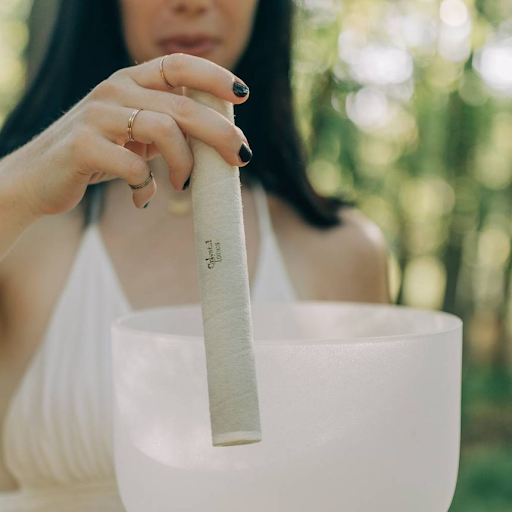
Sound healing is becoming a simple and trusted way to relax your mind, reduce stress, and feel more balanced in your daily life. Many people are now exploring it to improve sleep, manage emotions, and feel calm.
But when you decide to start, one important question comes up: Should you choose a private session or join a group for your sound healing practice?
In this blog, we’ll explore both options and understand why 1:1 sessions often deliver deeper results.
What Is Sound Healing?
Sound healing is a practice that uses sound, vibration, and frequency to help calm the mind and relax the body. It is often done with instruments like singing bowls, gongs, chimes, or tuning forks.
Now the common concern is whether an online session feels less effective than an in-person one. It does not have to be. Online sound healing can be just as immersive when the session is well designed, especially because it lets you relax in your own space without distractions.
In-person sessions may feel more physical, but online sessions offer the same guided experience, making them a great option for comfort, access, and consistency.
What Really Happens in Different Sound Healing Sessions
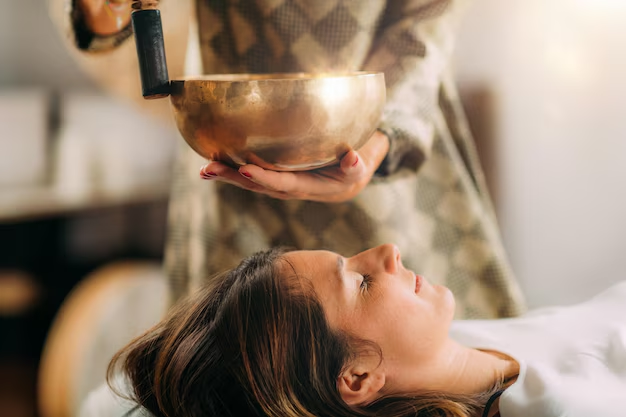
Many people try sound healing to relax, reduce stress, or improve focus. But the benefits go beyond temporary calm. Before you choose a session, it’s helpful to understand what research shows about sound healing:
- Long-term sound therapy can help reduce tinnitus symptoms over time and provide lasting relief (source).
- Sound therapies may help reduce pain, improve mood, and enhance cognition, supporting both mental and physical well-being (source).
These findings highlight that sound healing works, whether you attend a private session or a group session. The difference lies in how the session is delivered and how personalized it feels.
Before you choose, it is important to understand how each sound healing practice works in real life. This helps you make a clear and confident decision.
A. 1:1 Sound Healing Sessions
A private session is fully focused on you. It begins with understanding your needs, emotions, and what you want to improve.
- The practitioner listens to your concerns before starting
- Sounds are adjusted based on your mood and response
- You can share your thoughts openly without hesitation
- The session flows naturally instead of being fixed
This type of sound healing practice feels personal and flexible. It is not the same for everyone because it is designed only for you.
You may notice that as the session continues, the practitioner changes the sounds to match how you feel. This helps you relax more deeply and creates a stronger connection with the experience. Over time, this personal approach can support better emotional balance and clarity.
B. Group Sound Healing Sessions
A group session includes many people together in one space, either offline or online.
- Everyone follows the same sound journey
- The session is planned in advance
- You don’t need to speak or interact
- The environment feels calm and peaceful
Group sound healing practice is simple and easy to attend. You just come, lie down, and listen to the sounds.
This option is helpful if you are new and want to explore without feeling too involved. Many people enjoy the shared environment because it feels light and comfortable.
In simple words, 1:1 practice is personal and flexible; on the other hand, group practice is shared and structured. Both types are useful, but they offer different levels of depth and connection depending on your need.
Understanding Cost and Value in Sound Healing Practice Sessions
Cost is often the first thing people notice, but real value matters more when choosing a sound healing practice.
1. Basic Price Difference
- 1:1 sessions usually cost more
- Group sessions are more affordable
2. Easy Comparison for Clear Decision
| Factor | 1:1 Session | Group Session |
| Price Personal attention Customization Experience depth Results Best for | Higher Full focus on you High Deep and personal Faster and more focused Healing and personal growth | Lower Shared attention Limited Light and general Gradual and relaxing Relaxation and exploration |
Group sound healing practice is a great choice if you want to relax without spending too much. It gives you a calm experience and helps you unwind after a busy day.
On the other hand, a 1:1 healing practice gives you more value in terms of results. Since the session is designed only for you, it often helps you notice changes faster. Instead of only thinking about cost, ask yourself:
- Which option supports my goal better?
- Which experience do I really need right now?
Sometimes, investing in a 1:1 practice can save time because it helps you move forward faster.
Now that you understand the difference, the next step is finding the right place to begin your practice, especially if you are leaning towards 1:1 sessions.
This is where Plentiful makes this process simple by connecting you with experienced practitioners from around the world.
You can explore different experts, understand their approach, and choose someone who matches your needs. Since it focuses on 1:1 sessions, it becomes easier for you to experience a more personal and result-driven sound healing practice without confusion.
How Experience Feels and Impacts Your Mind
The biggest difference in any sound healing practice is how you feel during and after the session.
1. In a 1:1 Sound Healing Practice
You may feel:
- Deep emotional release
- Strong connection with sound vibrations
- A sense of safety and comfort
Because the session is personalized, the practitioner can guide you into a deeper state of relaxation. Many people notice faster emotional shifts with this type of practice.
This creates a focused and supportive experience. Many people say they feel lighter, calmer, and more clear after a few sessions of this healing practice.
2. In a Group Sound Healing Practice
You may feel:
- Calm and relaxed
- Peaceful in a shared space
- Light and refreshed
Group sessions help you:
- Take a break from daily stress
- Enjoy a simple healing experience
- Feel connected without pressure
Even in a group, long-term participation can still provide noticeable benefits, such as improved relaxation and reduced stress levels. While less personalized than 1:1, group sessions are excellent for beginners or those seeking gentle, consistent support.
Finding the Right Healing Approach Based on Your Needs
Choosing the right sound healing practice becomes simple when you understand your goal.
Step 1: Ask Yourself What You Need
Take a moment and think:
- Do I want deep healing?
- Do I want stress relief?
- Do I want to explore something new?
Your answer will guide your decision.
Step 2: Match Your Goal
Choose a 1:1 sound healing practice if you want:
- Deep emotional healing
- Personal attention and support
- Faster and focused results
- A private and safe environment
Choose a group sound healing practice if you want:
- Relaxation
- Lower cost
- A shared experience
- Easy starting point
Step 3: Think About Your Journey
You don’t have to choose only one type of healing practice. Both can be part of your journey.
Many people begin with group sessions to explore and understand how it feels. Once they are comfortable, they move to 1:1 sessions for deeper healing and better results.
Here’s a simple and practical approach:
- Start with group sessions to explore
- Move to 1:1 sessions when you want deeper results
This balanced approach helps you experience both and make a better decision over time.
Frequently Asked Questions (FAQs)
1. What is the difference between 1:1 and group sound healing sessions?
1:1 sessions are personalized, with the practitioner focusing entirely on your needs, while group sessions follow a shared plan for all participants. Both help with relaxation, stress relief, and balance, but 1:1 can provide faster, deeper results.
2. How often should I attend sound healing sessions?
Consistency matters. Most people benefit from weekly sessions, but even a few sessions a month can reduce stress, improve focus, and support emotional well-being.
3. Can sound healing help with chronic conditions like tinnitus?
Yes. Research shows that long-term sound therapy can help reduce tinnitus symptoms over time and provide lasting relief.
4. How can I find a trusted practitioner for 1:1 sessions?
Platforms like Plentiful connect you with skilled practitioners around the world offering 1:1 sound healing sessions. You can choose a practitioner based on expertise, reviews, and your personal goals.
Final Thoughts
Sound healing practice can transform your well-being, whether you choose a 1:1 session or a group experience. While group sessions offer shared energy and gentle guidance, 1:1 sessions provide personalized attention, faster results, and deeper relaxation.
If you are ready to experience real results, choosing the right platform matters just as much as choosing the session type. This is where Plentiful makes a strong difference. It connects you with experienced practitioners from around the world who offer personalized 1:1 sessions designed around your needs.
Instead of guessing where to start, you can explore, compare, and book sessions easily in one place. Start your sound healing practice with the right expert and experience the difference of true personal attention. Book now!
Want your life to be more Plentiful?
Sign up for stories, experience info and launches, and event invites delivered right to your inbox.
Unsubscribe anytime.